By Lilly Roehrig, Guest Author, Graduate Student, Environment & Natural Resources, Department of Geography, University of Alabama From the moment I rumbled into the Paint Rock forest on an ATV, I was in awe of the thousands
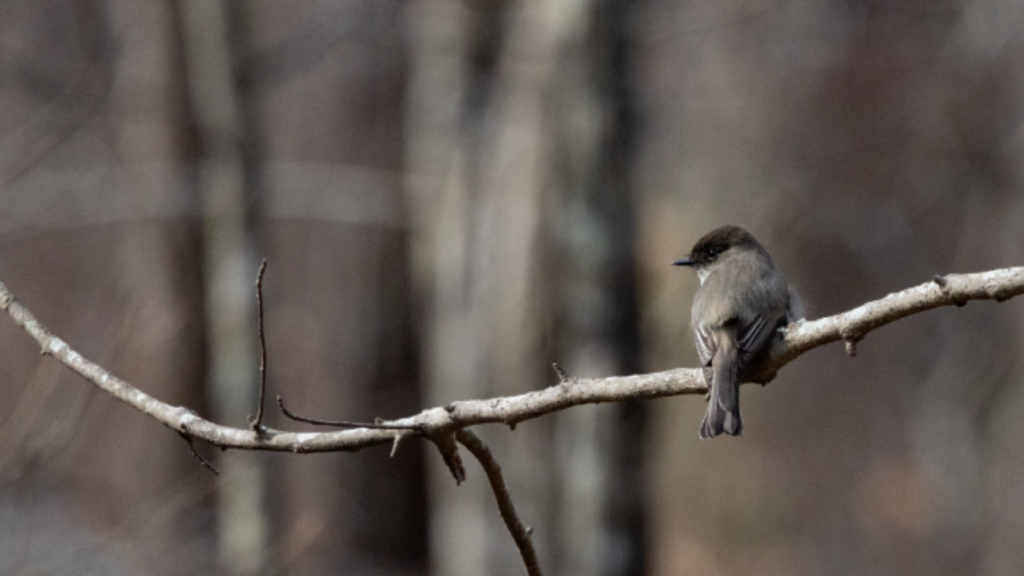
By Mary Medlin, Avian Research Coordinator, with Kelsey Barnett-Fischels Bird No. 62972 seems to like the Paint Rock ecosystem. Since we tagged this male wood thrush last year—even despite our disturbing him with our human hands—he’s
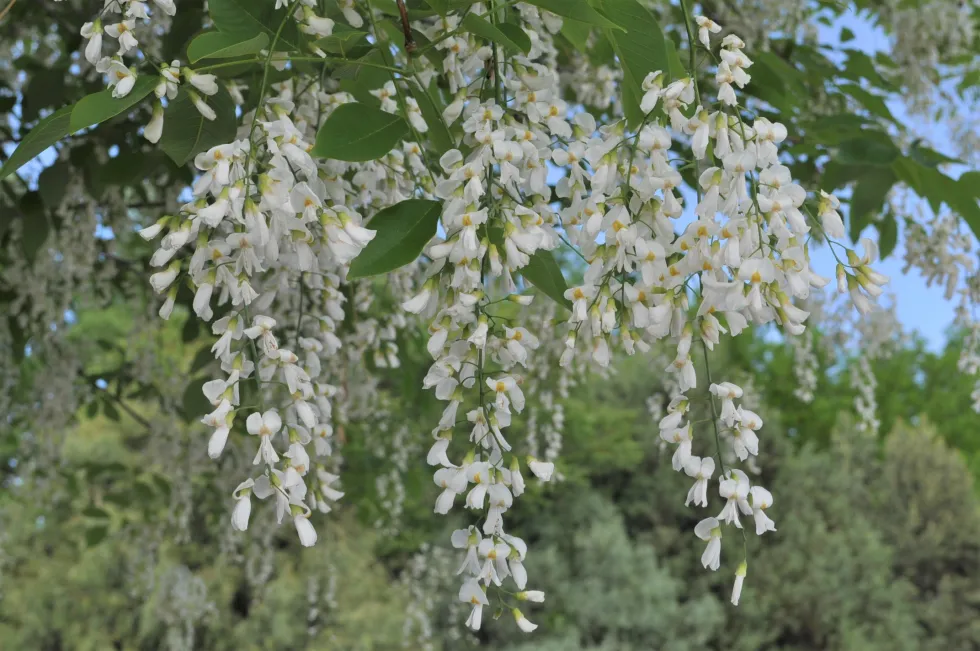
We went deep into Paint Rock with Penn State researchers to track the million-year journey of this mysterious Southeastern tree By Bill Finch, Founding Director Imagine a bean that became a 60-foot tree, with hanging clusters
By Kelsey Barnett-Fischels We don’t allow camping at Paint Rock Research Center, for many reasons. Yet, since 2024, from early May to June, a tent-like structure has appeared in one of our meadows. This tent isn’t
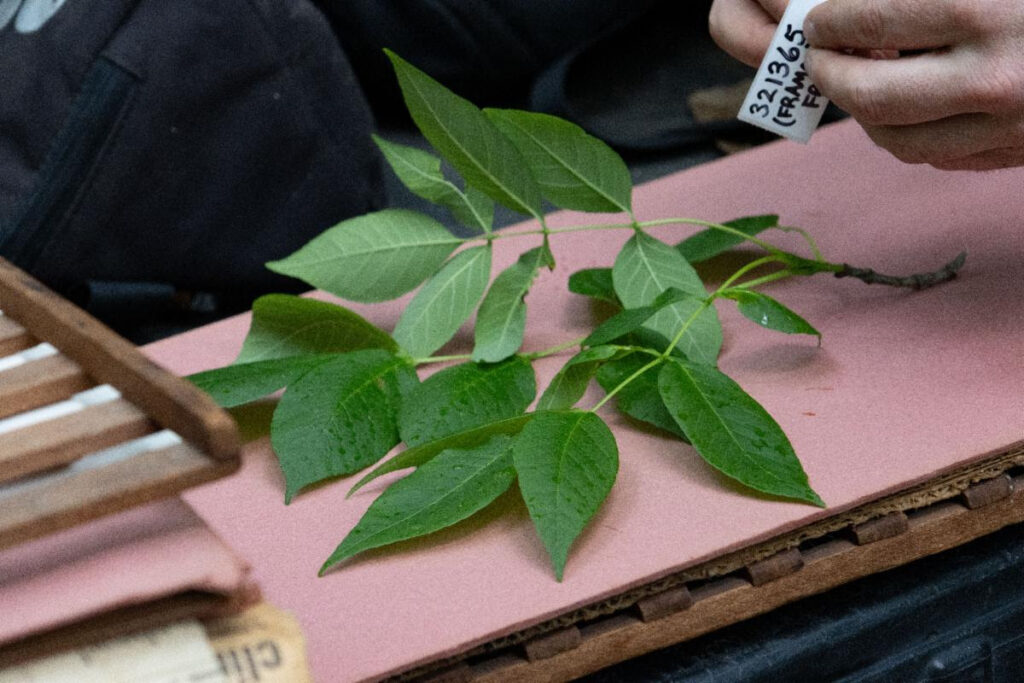
The first genomically informed forest is growing By Kelsey Barnett-Fischels I don’t know what an ash tree looks like, I admit, sheepishly, to Mary Medlin, my coworker and one of Paint Rock Research Center’s science staff.
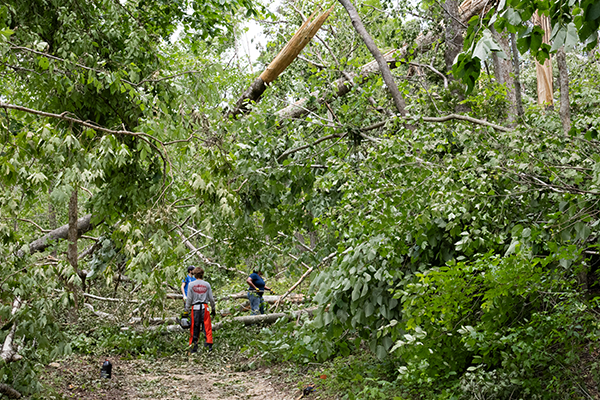
Our researchers aren’t tweeting—but they’re listening in on the forests’ social channels. A little over a year ago, 200 acres of trees snapped, uprooted, and fell to the forest floor, hundred-year-old giants bowing down to a
This spring we’ve begun a first-of-its-kind project—one that will have wide-reaching implications for the future of Southeastern forests. Partnering with HudsonAlpha Institute of Biotechnology through an ADECA grant, we’re developing full DNA sequences for multiple species
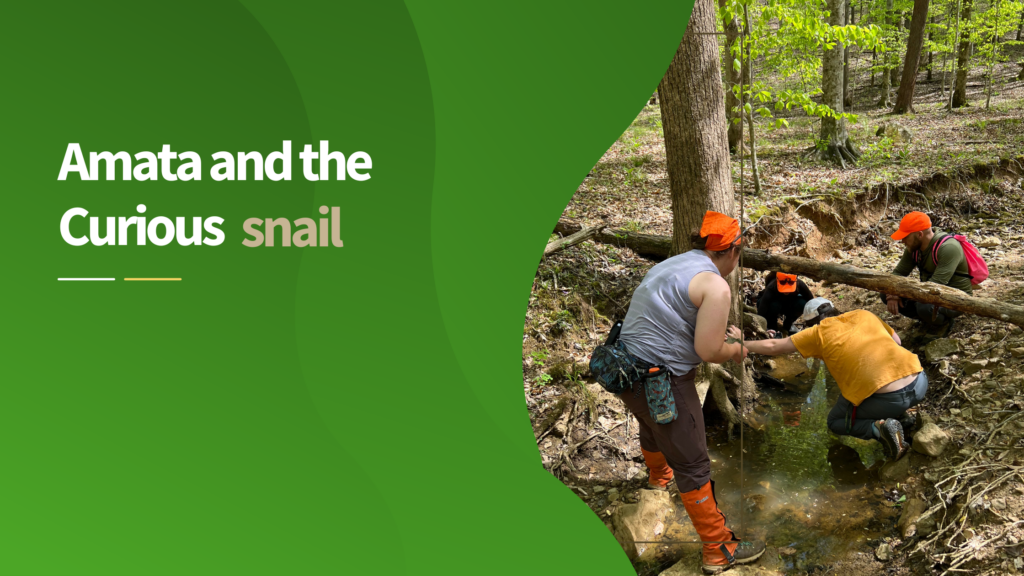
Early April found Amata Hinkle at the Paint Rock Forest Research Center. Hinkle had visited Sharp-Bingham Mountain Preserve weeks earlier for a training exercise and took an excursion to a creek. “A rock screamed, ‘Turn me
By Mary Wells, Avian Coordinator The wave of green serves as a dinner bell for migratory songbirds who are pouring in from Central and South America each night, eager to dig into all the delicious fruit
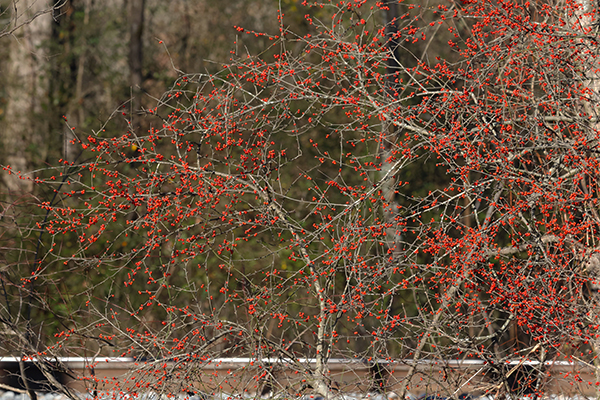
They’re always here, but invisible until now, when the trees are bare, stripped of green by the first hard cold, in the closing dark of December. Hollies and I go back. They show up again and
Help us discover what fills it. Yes, a tornado slammed into a beautiful, rare and unusually rich Research Center forest on The Nature Conservancy’s Sharp Bingham Preserve May 20th. F2 ,says weather service, about 185 miles
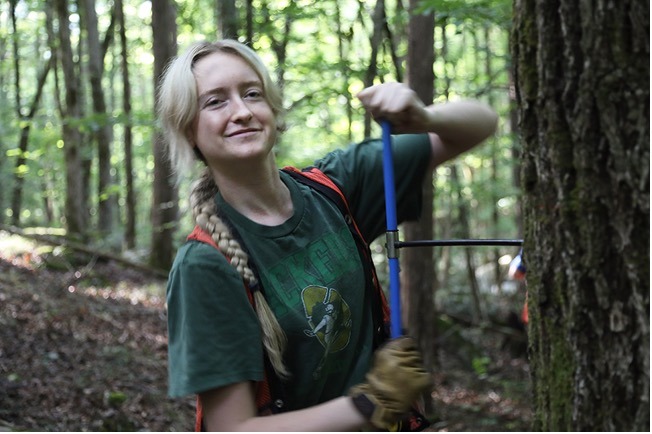
Our census interns have been the engine of our forest census. We’ve had many over the years – thanks in part to our fortunate relationships with the Student Conservation Association and Alabama A&M. But this year’s crew
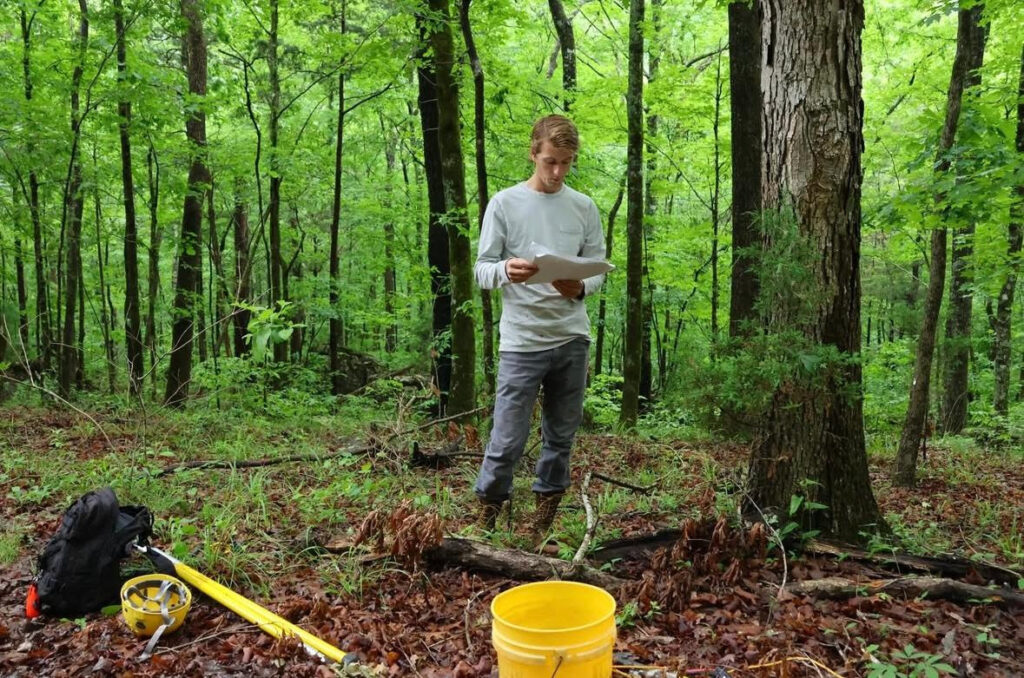
We started eight years ago with the ambition of creating the largest and most diverse forest census in North America—an outdoor laboratory for forest studies unequalled on the continent. This week, the census is done. All
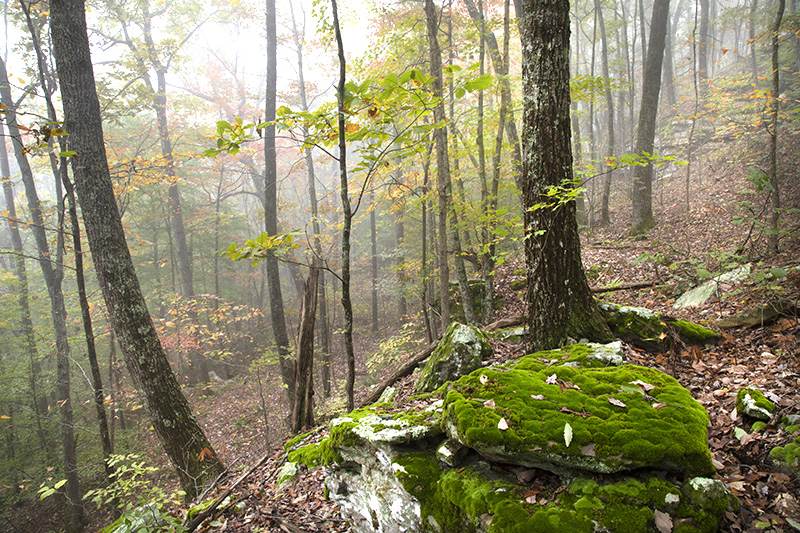
The Southern Cumberlands Plateau and Ridge and Valley systems shelter the greatest diversity of tree species and aquatic life in the Appalachians. Paint Rock Valley supports almost double the oak species found in Great Smoky Mountains
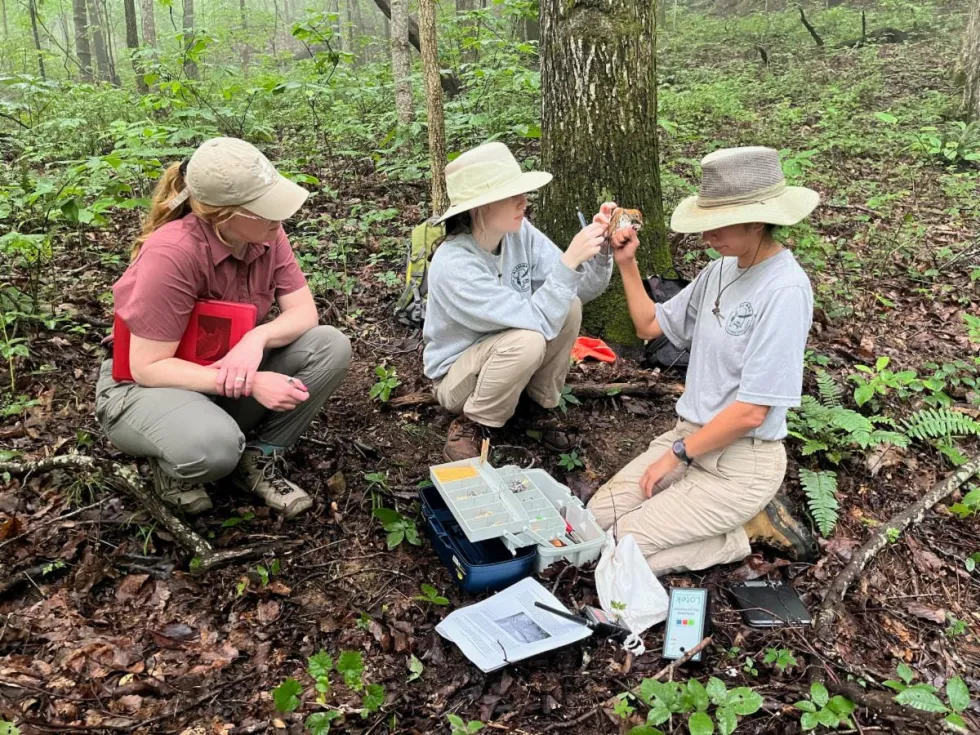
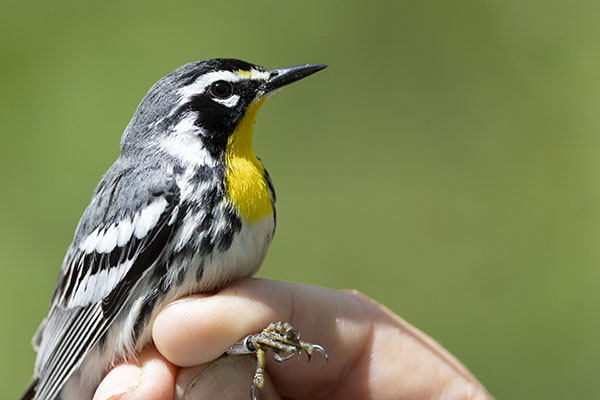
Bird banding is a method of tagging birds for the recording of their migratory routesand gaining insight on their tendencies, that would have otherwise been difficult toobserve. This is helpful for scientists working to develop protection
Science is precise. Precision is often tedious. That’s the hard labor behind scientific discovery and advancement. At times it can beas numbing as assembly line work or slapping pepperoni on Domino’s pizzas. Thedifference is knowing that
Take a look at this video produced by Spence Maynor on a recent fish survey in the upper part of the Paint Rock River. When a fellow on the bank asked us what we were doing
As a 6-year-old living enthusiastically in the Jurassic and Cretaceous, fascinated by images of brontosaurs bigger than my house and tyrannosaurs that could terrorize my teachers, I would have been shocked and dismayed to discover what
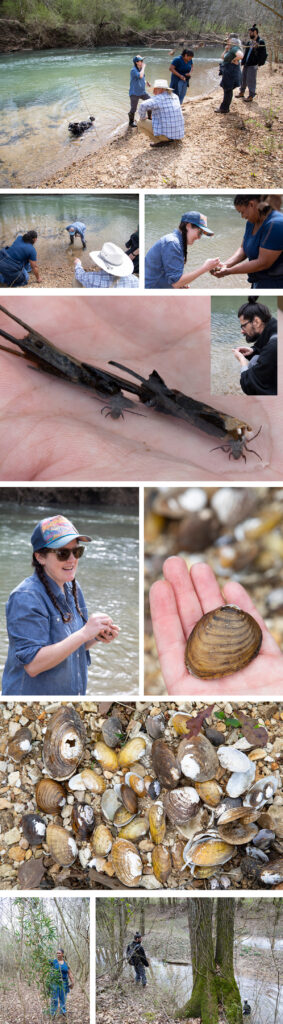
Be careful what you pick up on the banks of the Paint Rock River. There’s a frighteningly real risk it may be the last of its kind. Carla Atkinson, the aquatic biologist and ecologist from University
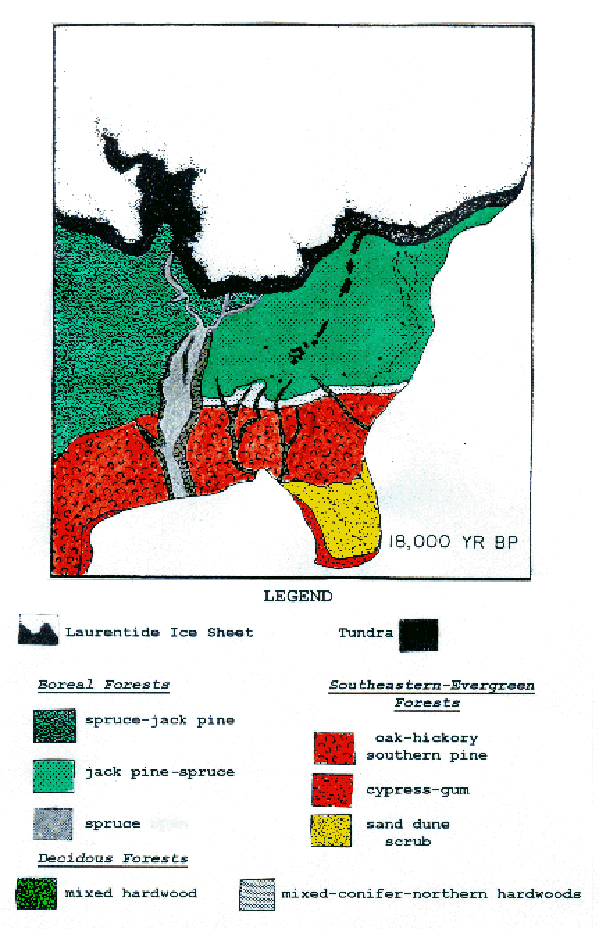
A map showing vegetation zones of eastern North America at the end of the last glaciation. Look closely, and you’ll notice that sea level has dropped, allowing forests to extend about 80 miles south into the
We’re building a research center out of living, growing trees, and we need your help The Paint Rock Forest Research Center has a backbone. It’s called the forest dynamics census. It’s what sets us apart from