
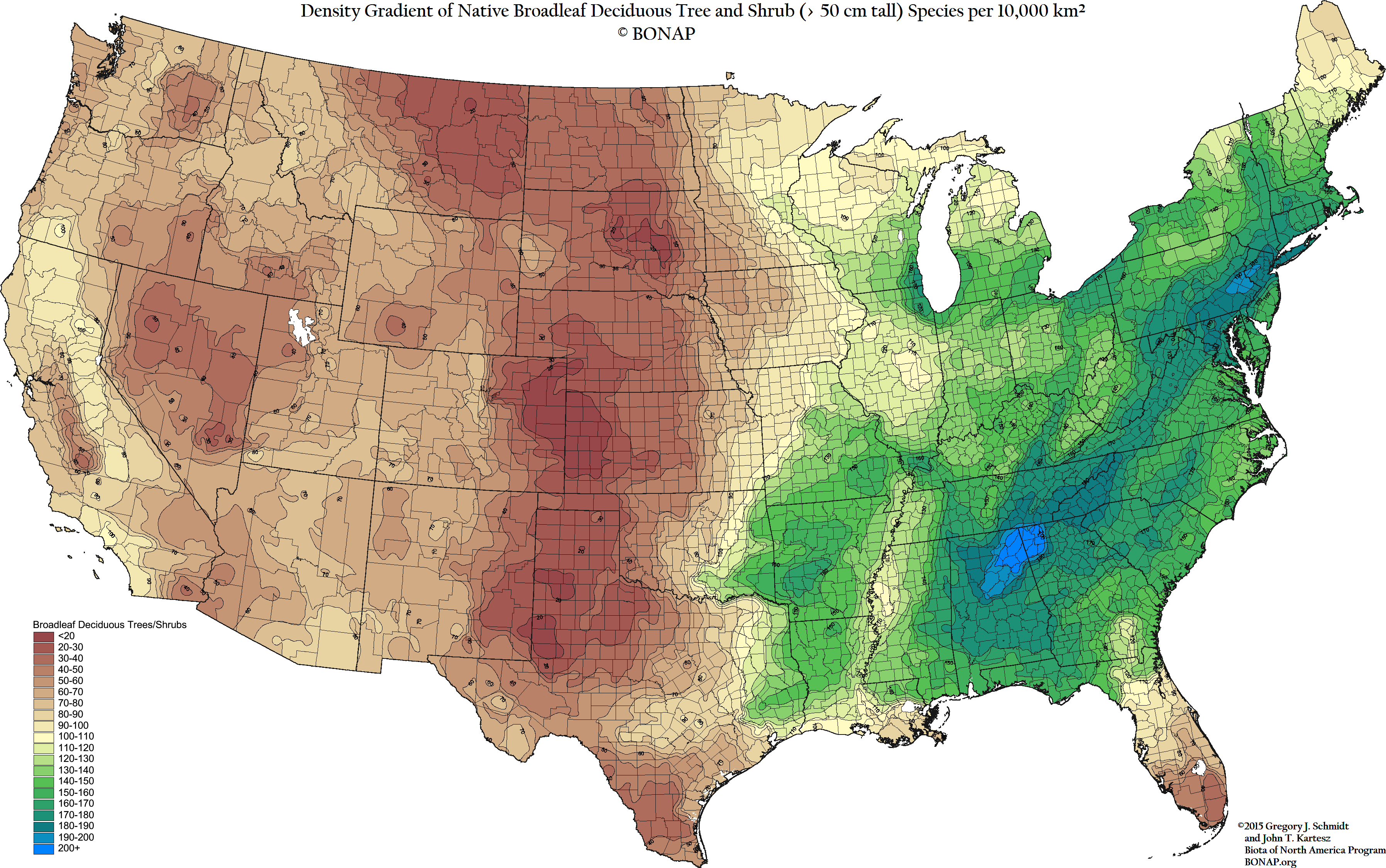
The Southern Cumberlands Plateau and Ridge and Valley systems shelter the greatest diversity of tree species and aquatic life in the Appalachians. Paint Rock Valley supports almost double the oak species found in Great Smoky Mountains National Park. Moderate elevation, isolation from glacial impacts, and diverse topography and soils helped buffer life from climate extremes.
The Nature Conservancy’s Sharp Bingham Preserve is an outstanding example of the region’s diversity and long-term climate resilience. Within a few thousand acres, complex topography and hydrology support an unusually diverse and intact forest. High diversity of species, genera and families and numerous relictual species indicate its long-term importance as a climate refugium.
Paint Rock’s distinctive landscape also offers what may be a unique opportunity to study and understand every aspect of the ecosystem, from its surprisingly undisturbed forests and soils, down through the extensive network of caves and underground streams that feed the Paint Rock River itself, one of the most biologically rich streams in the nation.
The research here may well help determine the future of North American forests. But just as important, we aim to use this facility to train a new generation of scientists who not only understand diversity, but also reflect it. We’re working with multiple funding agencies to develop a program that attracts minority and disadvantaged students and allows them to work directly with the world’s top scientists.

Bonap.org
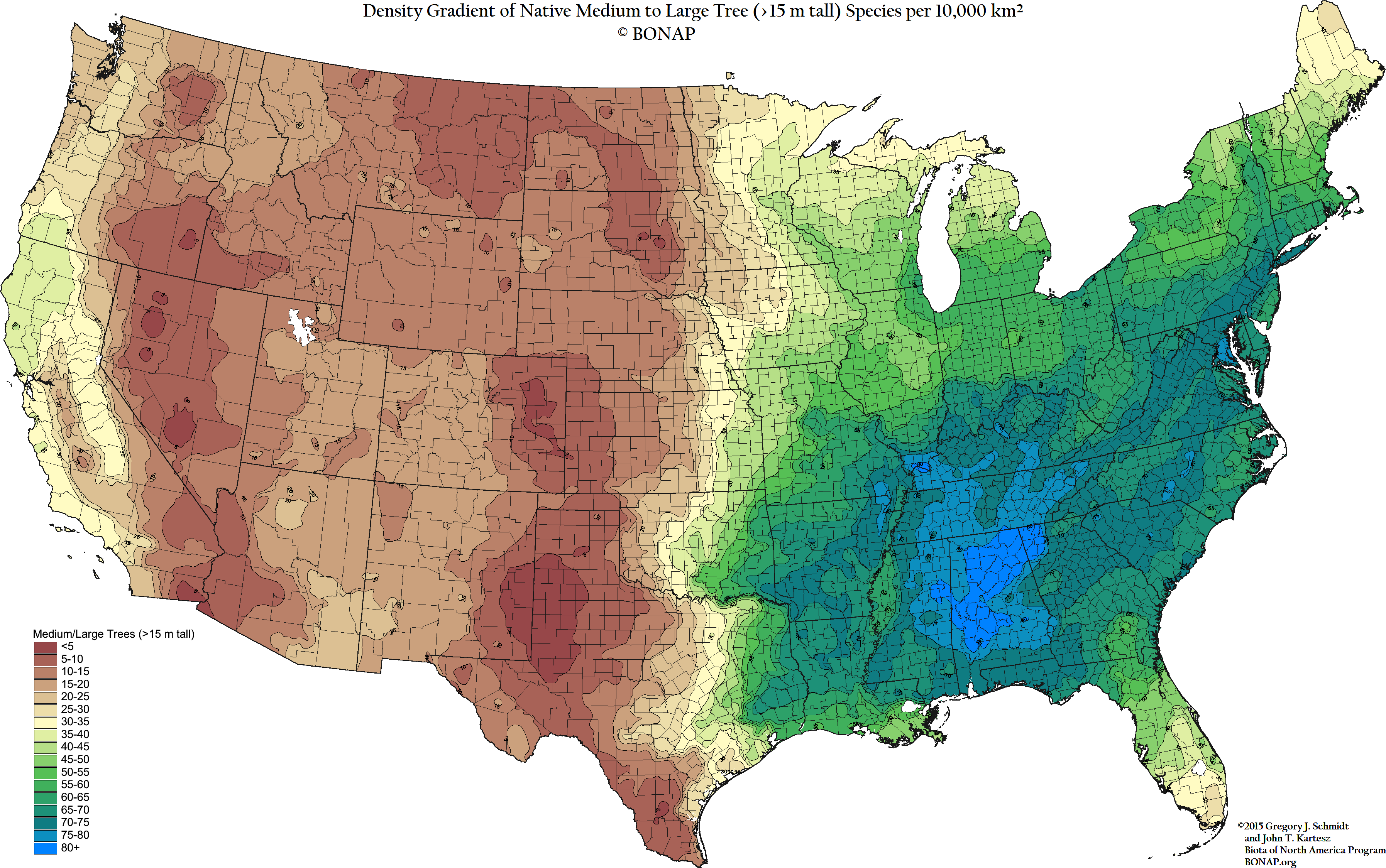


bonap.org

Paint Rock Forest Research Center. 3400 County Road 10 Paint Rock, AL. 35744
Share this:
- POSTS FROM THE FIELD
- Fireflies in the Paint Rock Valley
- When Paint Rock has band practice
- When Paint Rock holds class
- This census thing is hard work. These are the ones who do it
- Art sometimes goes where science fears to tread
- New video on Alabama’s Biodiversity – well done!
- Canned restoration is undermining our ecosystems…and that’s why we start with the seed
- A 120-year-old book connects us with Alabama’s past and future
- When Jacksonville State meets Paint Rock, art and science converge
- ARCHIVES