Conduct Research
Conducting Research
at Paint Rock
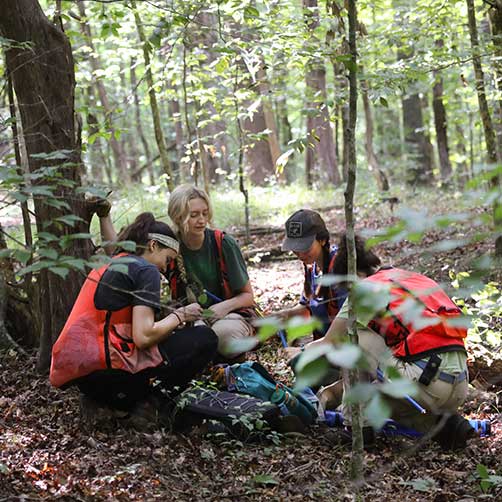
The diversity of the natural world is so immense and complex that we will need every eye trained on it. Researchers are welcome to explore if their ideas, questions, and environmental approaches are compatible with our center’s by filling out a research application below.
Application Process
Our Science Advisory Council (SAC) will review and may contact you for more information.
The SAC will vote and notify you of their decision by email.
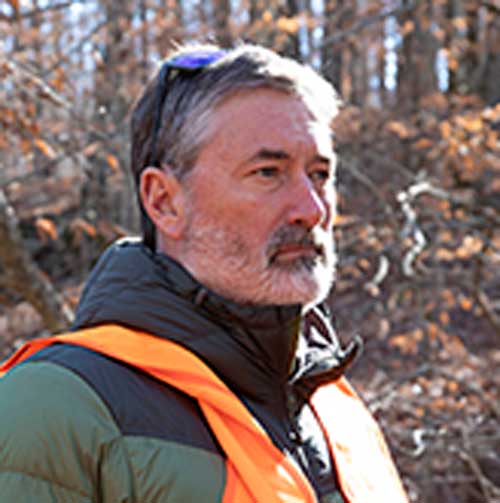
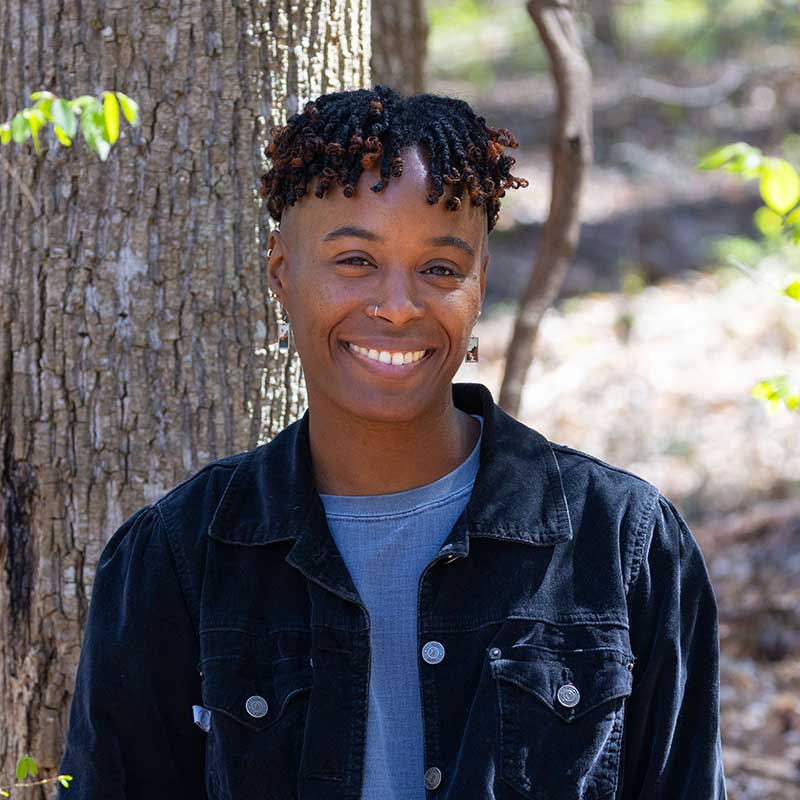
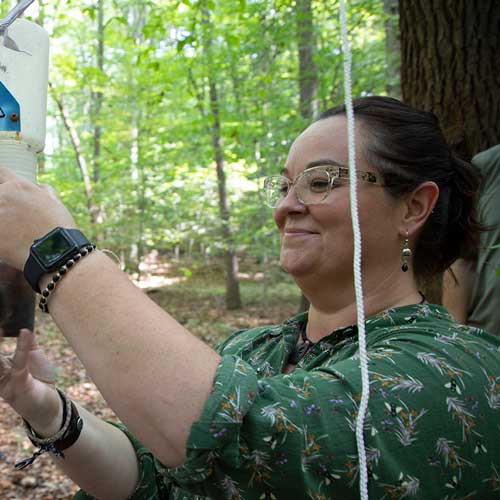
Science Advisory Council
The Science Advisory Council serves as a credible, decisive, and diverse scientific leadership team to the Paint Rock Research Center—supporting our mission to expand natural systems research, conservation, and restoration with integrity and confidence.
SAC Values
- Independence
- Scientific Rigor and Integrity
- Transparency and Accountability
- Stewardship and Long‑Term Thinking
- Diverse & Interdisciplinary Collaboration
- Respect for Place and Community
- Deliberation & Consensus
- Confidentiality
SAC MEMBERS
Tim Lindblom
Nina Morgan
Kendra Abbott
Doug Booher
Helen Czech
Bill Finch
Davis Goode
Elaine Leslie
Policies & Procedures
Site and Facilities
THE CENTRAL CAMPUS
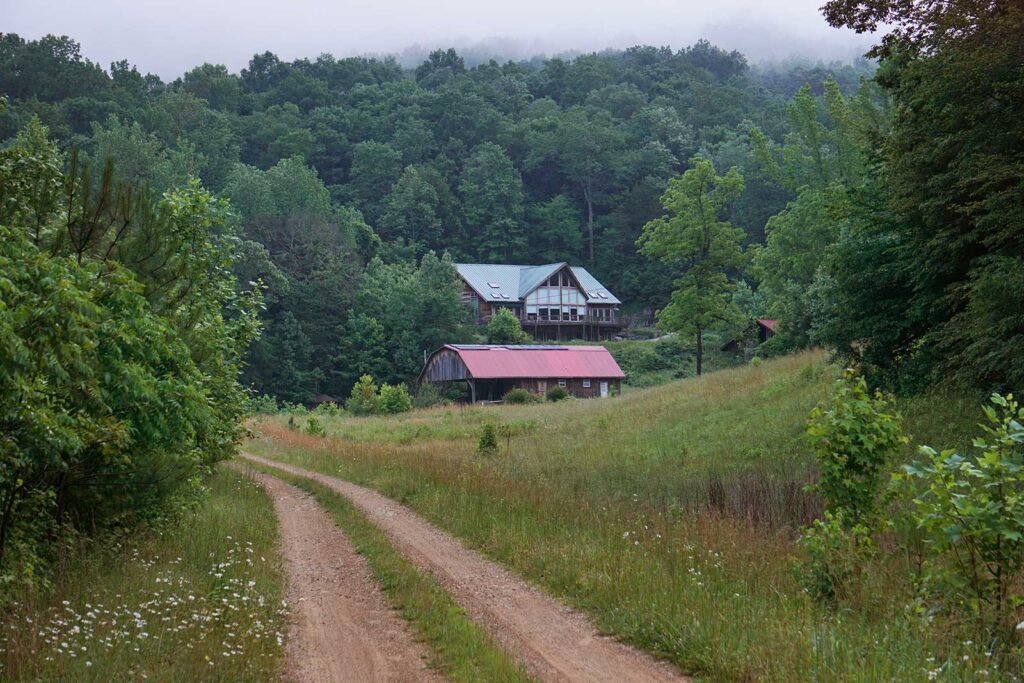
Our 20-acre central campus offers more than 7,000 square feet of housing, lecture space, and research sites across two houses.
RESEARCH OUTPOSTS
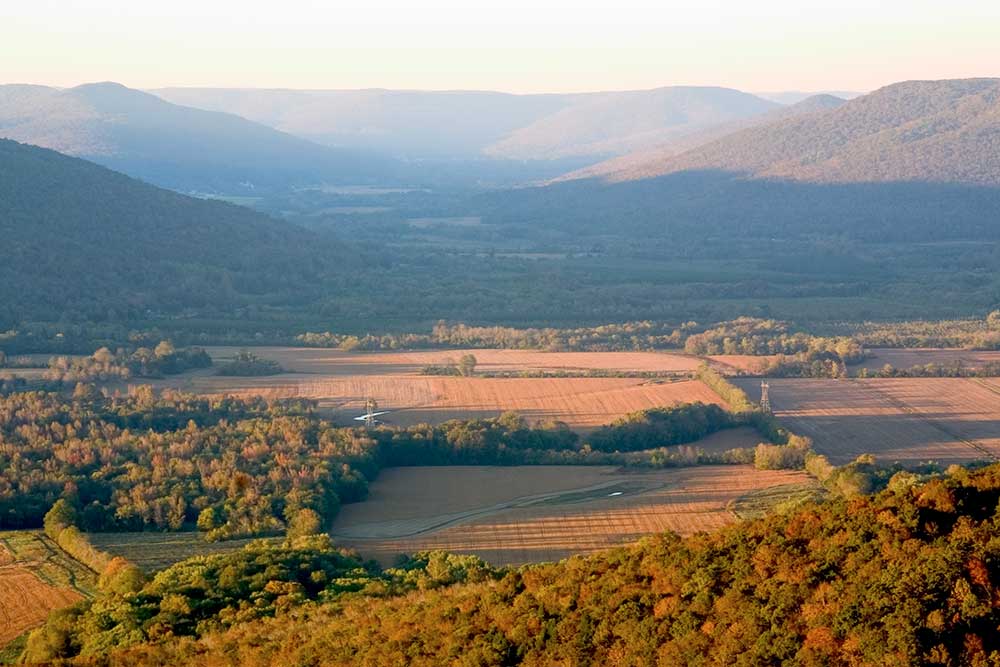
A variety of research opportunities exist across the Paint Rock Valley, with access in the surrounding area.
Hellums
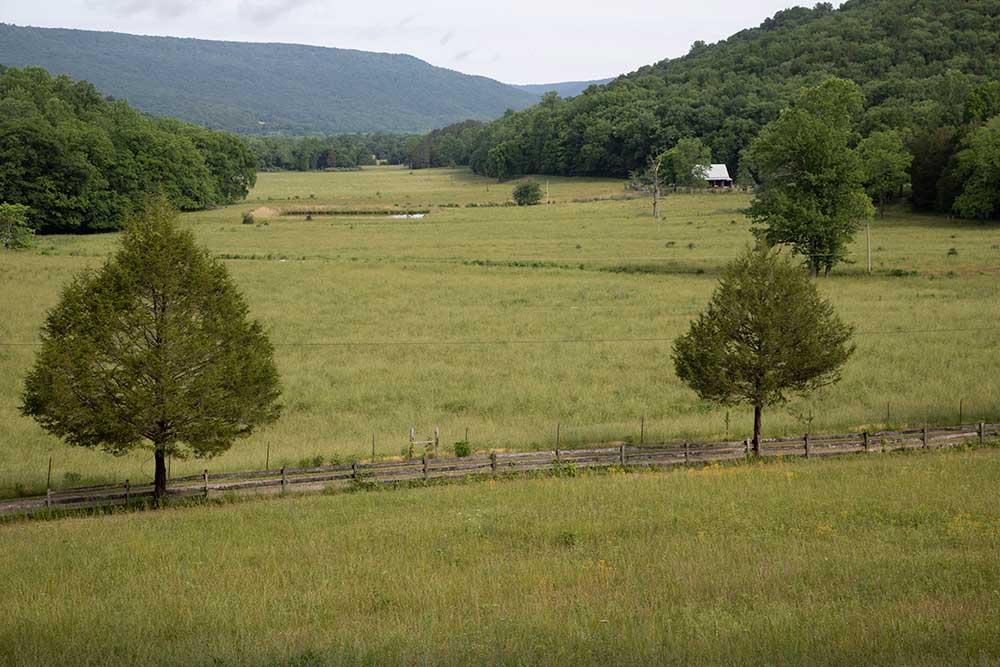
A 1,500‑acre flagship site for our grassland and restoration work, in addition to harboring extensive forests, incredible cave systems, and actively managed open habitats. It anchors our efforts on grassland birds, quail, and turkey habitat restoration, and serves as our primary canebrake bamboo restoration area, where 40 acres are being restored to historic cane-dominated floodplain. Together, these features make Hellums a visually striking landscape and a high‑value research platform for understanding and recovering Southern grassland and riparian ecosystems.

Big Ellum Bottom
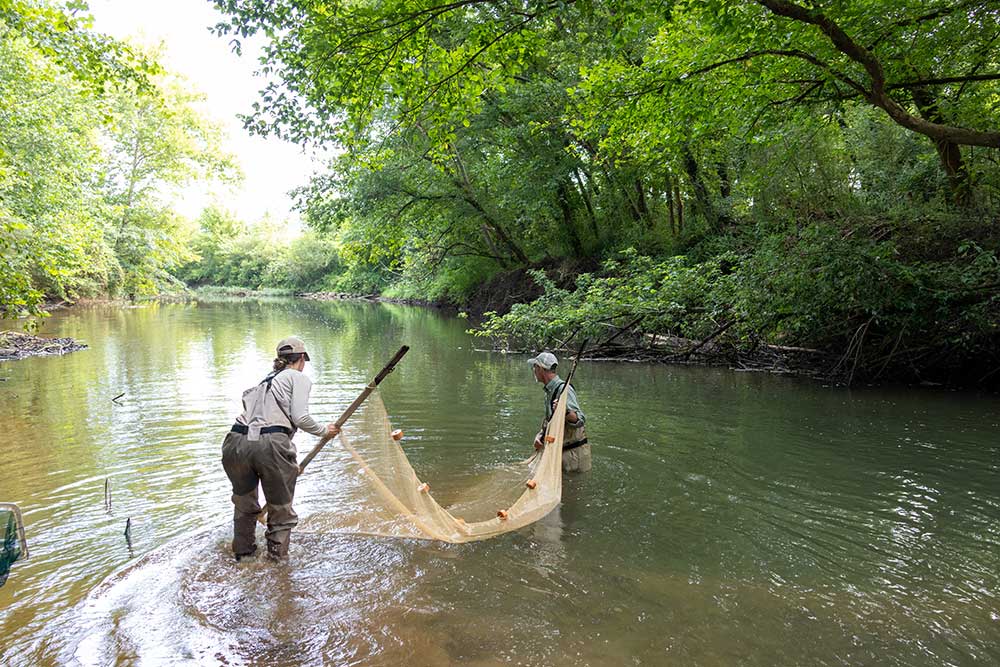
A cornerstone site for our river and restoration work, centered on long‑term aquatic monitoring. This stretch of the Paint Rock River supports one of the highest known concentrations of endangered fish and mussels—including palezone shiner, Alabama lampmussel, pale lilliput, and many others—making it a premier natural laboratory for freshwater conservation. In upland fields we grow native restoration plants—from gamagrass and bundleflower to native big bluestems—across roughly 10 acres dedicated to seed and plant production. Together, these features make Big Ellum Bottom both a globally significant biodiversity hotspot and a working engine for landscape‑scale restoration.
Other Research Agreements
In addition to our core properties, we maintain research access agreements across thousands of additional acres and many miles of river in the broader landscape. These partnerships allow us to extend long‑term studies of forests, grasslands, and aquatic systems well beyond our main campus, creating a much larger living laboratory for scientists, students, and collaborators. Please reach out to us directly for more information.
Overnights at Paint Rock
Our two on-site houses are available for mission-aligned stays that advance research, teaching, and conservation.
We welcome:
Research teams and field courses | Students and interns
Workshops and retreats focused on ecology, conservation, or the environment
Paint Rock is not a general lodging or event venue. We do not host weddings, parties, or recreational Airbnb-style stays, and access to the preserve is carefully managed to protect sensitive habitats.
If your work aligns with our mission, please contact us to discuss availability. We ask for donation of $50 per person, per day, for a room at our Center. We request $300 per person, per day, if you’ll need a staff guide, use of a buggy, and the facilities during your stay.
Submit a Research Pre-Application
Research concepts must describe the purpose and methodology of the research that will be carried out in association with Paint Rock Research Center. Research proposals must be approved by the Science Advisory Council.