Skip to content

Research

Research at Paint Rock

A Reservoir of Genetic Diversity

Located within one of the most biologically rich regions in North America, the Paint Rock ecological laboratory is ripe with research questions waiting to be answered and new life waiting to be seen and known.

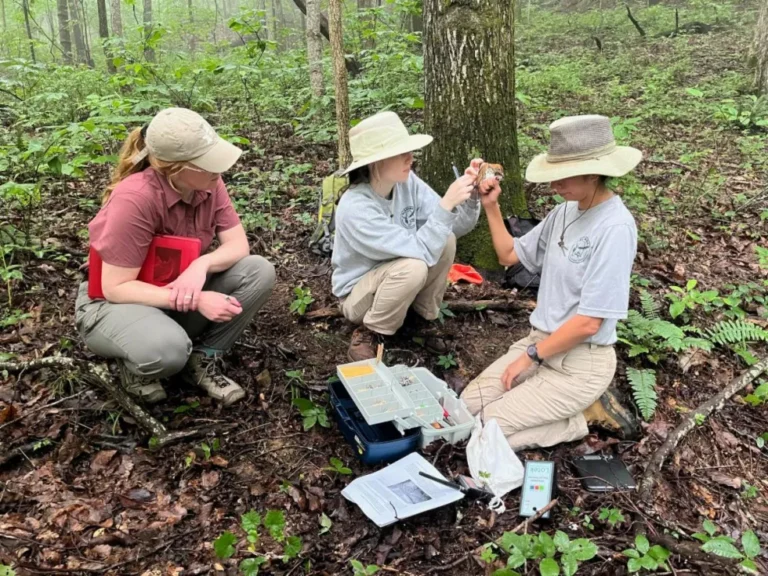
Through a large-scale forest dynamics study, biodiversity inventories, natural systems restoration, climate resilience research, surprising genetic differences between individuals, and more, the researchers we work with are building long-term datasets and deep understandings of our complex systems. These insights, from past to present to predictive, are essential to protecting the thriving life around us in a changing climate.

Research is not separate from our conservation efforts—it is the foundation for it. Every project contributes to a broader effort to preserve biodiversity, restore resilient landscapes, and prepare ecosystems for the challenges of the future where people and nature can thrive. Our research is intended to be practical and expansive beyond Paint Rock and Alabama; we are committed to sharing our species diversity and understanding of diversity with the world.  

Research Assets

60 Hectares Forest Census Map

Cave Network Map

(ongoing)

Full Genome Sequences

(ongoing)

Research Areas of Interest

FOREST

Forest dynamics plot

As part of the Smithsonian ForestGEO network, we are leading the largest and one of the most biodiverse forest dynamics plots in North America, cataloguing and individually monitoring some 90,000 trees and more than 90 tree species for the next 50 years.

Tree DNA sequencing

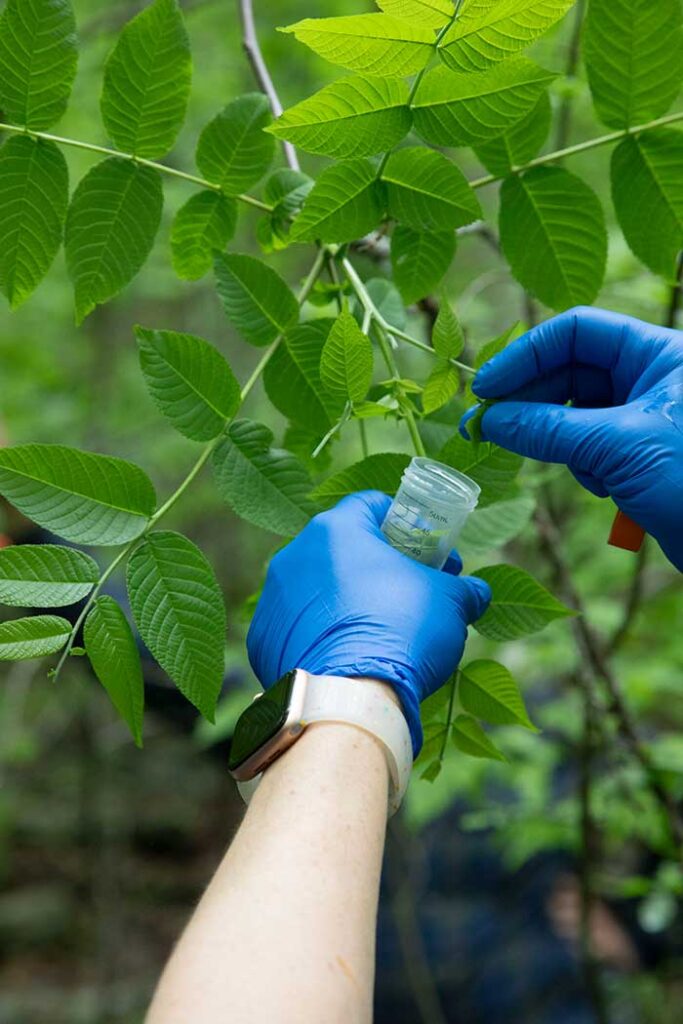
In a groundbreaking effort with HudsonAlpha Biotechnology Institute, we are exploring how the genetic potential of each individual tree may influence the forests of the future. Together we aim to analyze the full genomes of thousands of trees on our forest dynamics plot. 

New species identification

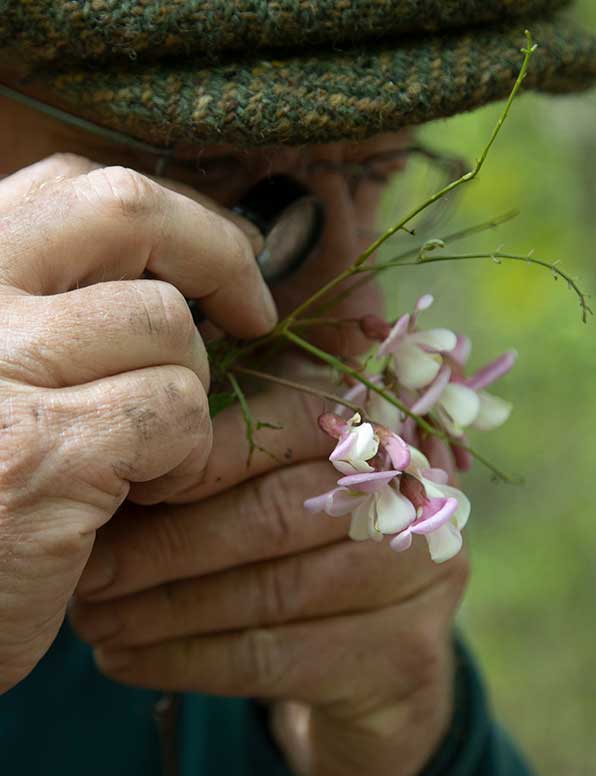
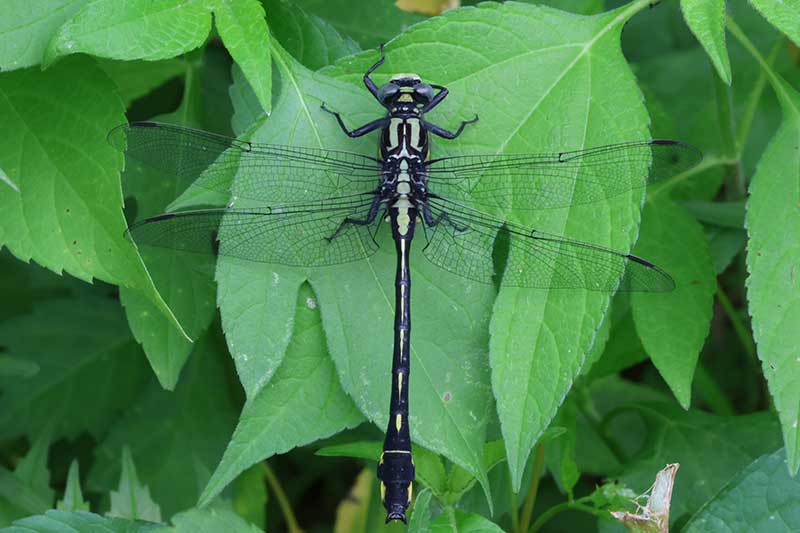
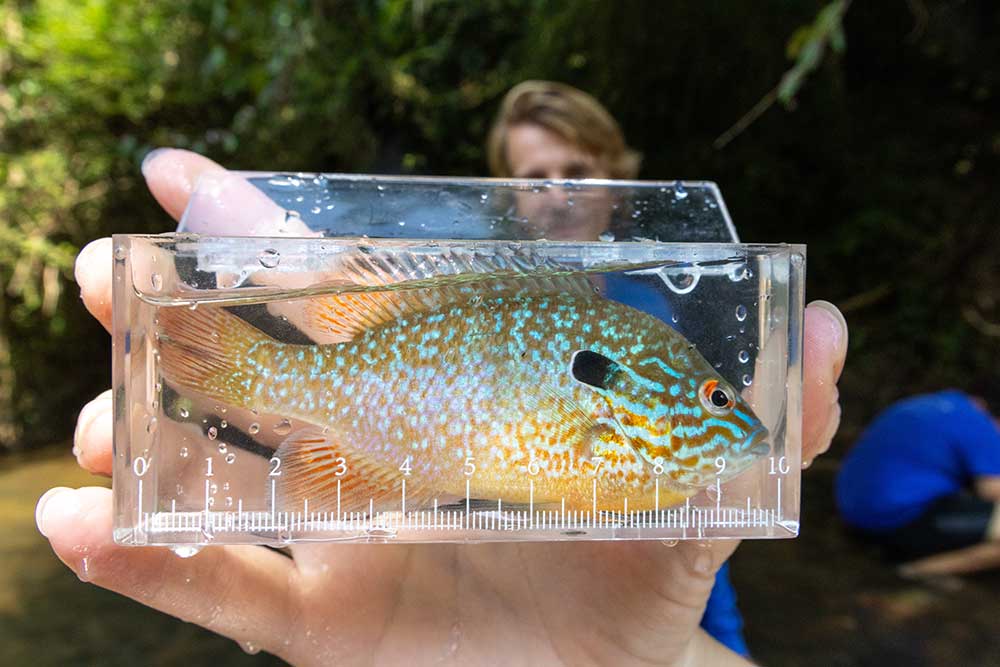
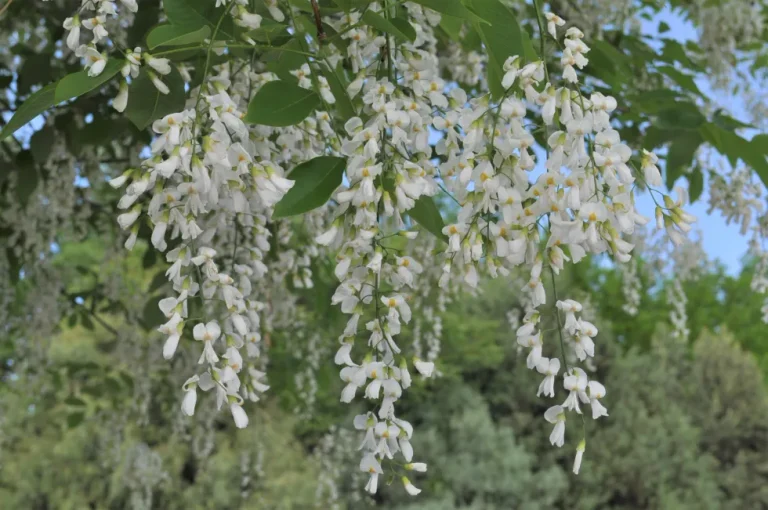
We work to recognize and uplift our unique endemic species and their roles in ecosystems, providing insight to unnamed finds in oaks, maples, elms, azaleas, buckeyes, violets, fish, snails, and more.

Avian social networks

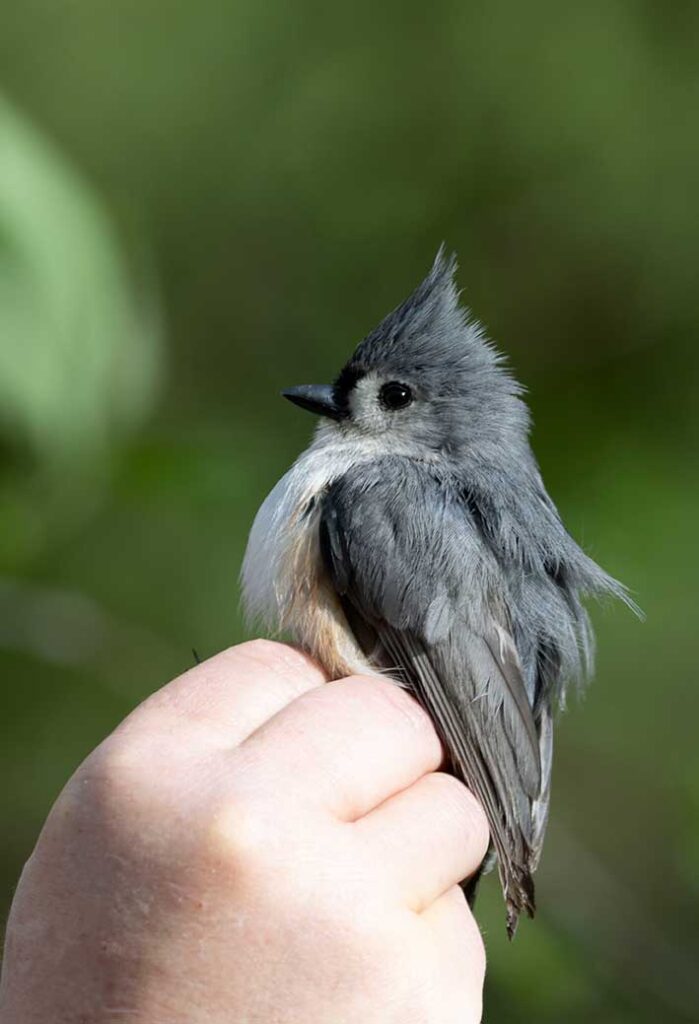
In a first-of-its-kind effort in eastern North America, we are working to better understand the social network and signals of rare and declining bird species, and how we can better help these birds discover and use appropriate habitats.

Insect trends study

A team from the University of Alabama is conducting a long-term data study about national insect trends throughout the nation with the Paint Rock Valley as one of their monitoring sites.

Ant flight phenology

Leading entomologists are trying to understand if and how changing weather patterns and the introduction of invasive species are impacting the annual mating flights of ants. 

The history of the forest dynamics plot

Researchers from the University of Alabama are coring into human history and influence on the forest dynamics plot. 

AQUATICS

The Paint Rock River

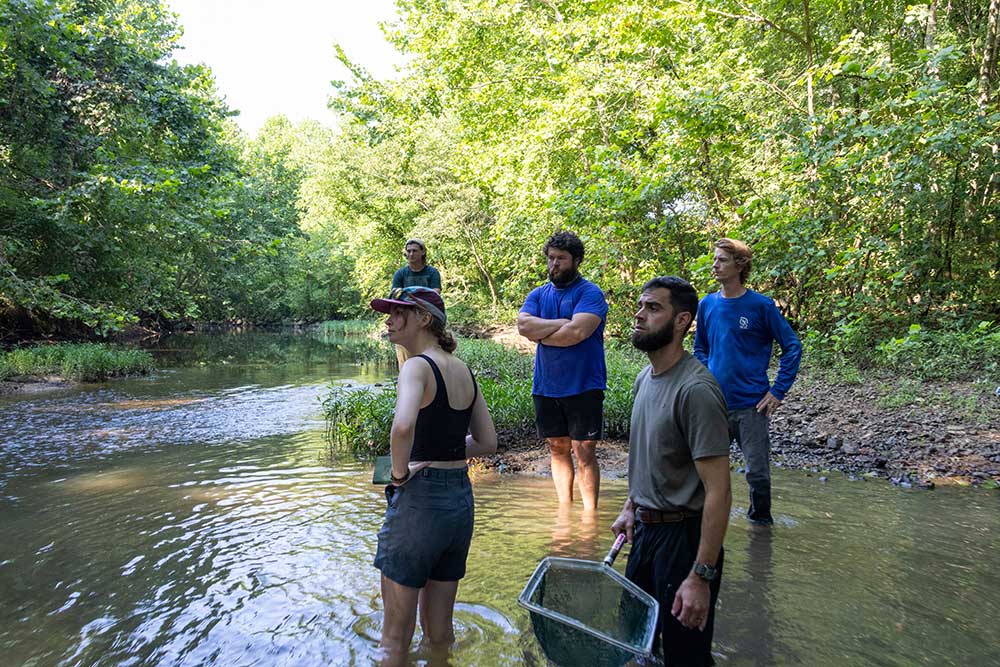
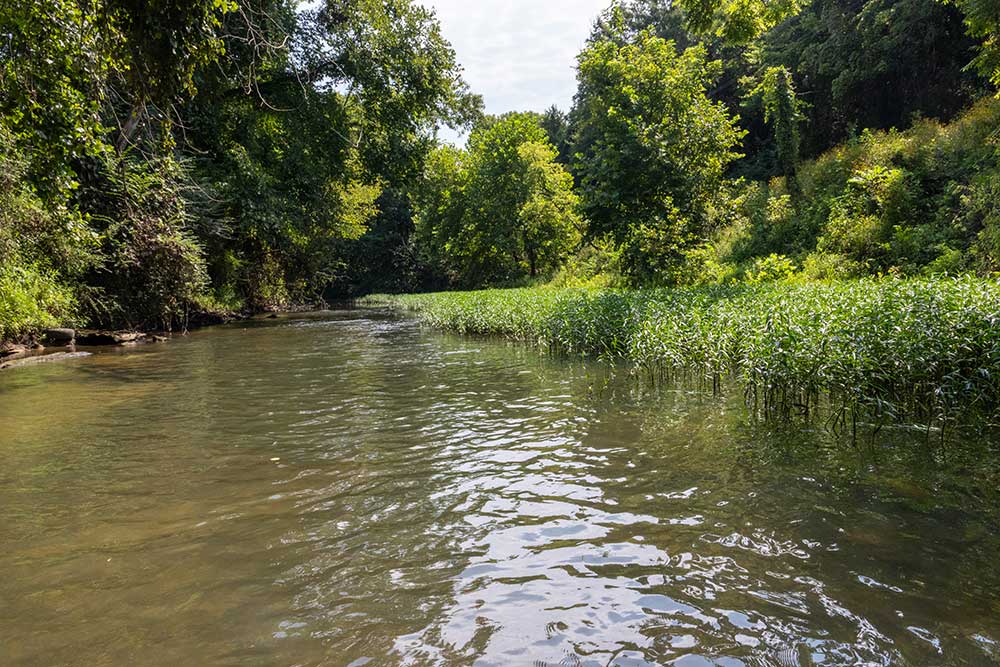
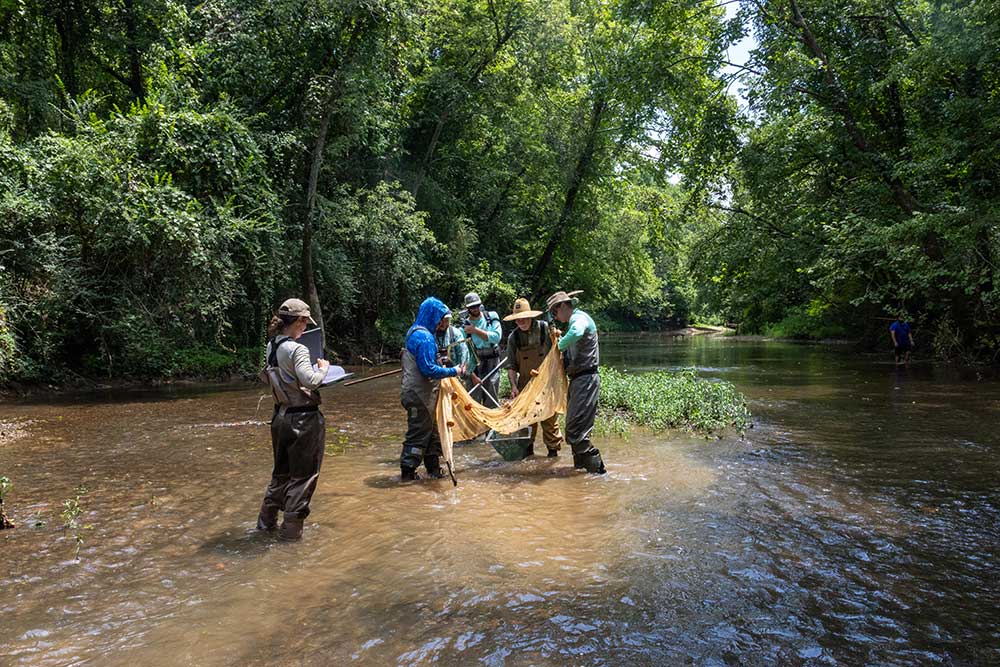
The Paint Rock River drainage contains occupied or historic habitat for 14 federally listed species and numerous species of concern.

Discovering new species

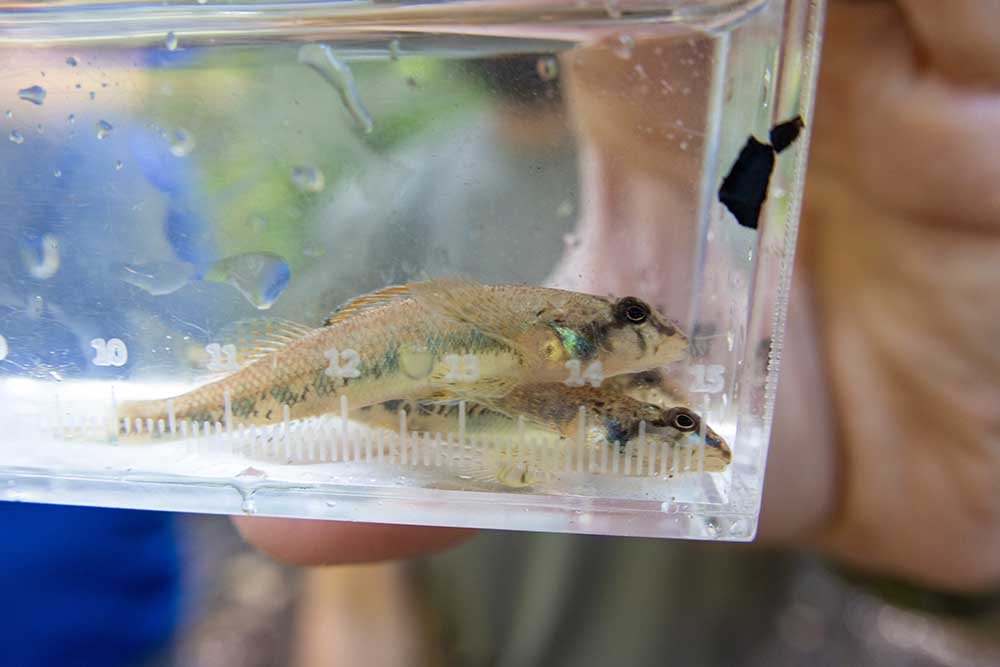
We are working to name and uplift our undocumented endemic species and their roles in the watershed, providing insight to new species of fish, snails, and more.

Alabama mussels

With research access to stretches of the Paint Rock River that support some of the highest known concentrations of endangered mussels, we are working with partners from the Alabama Aquatic Biodiversity Center and others to monitor, conserve, and restore mussel populations.

CAVES

Mapping

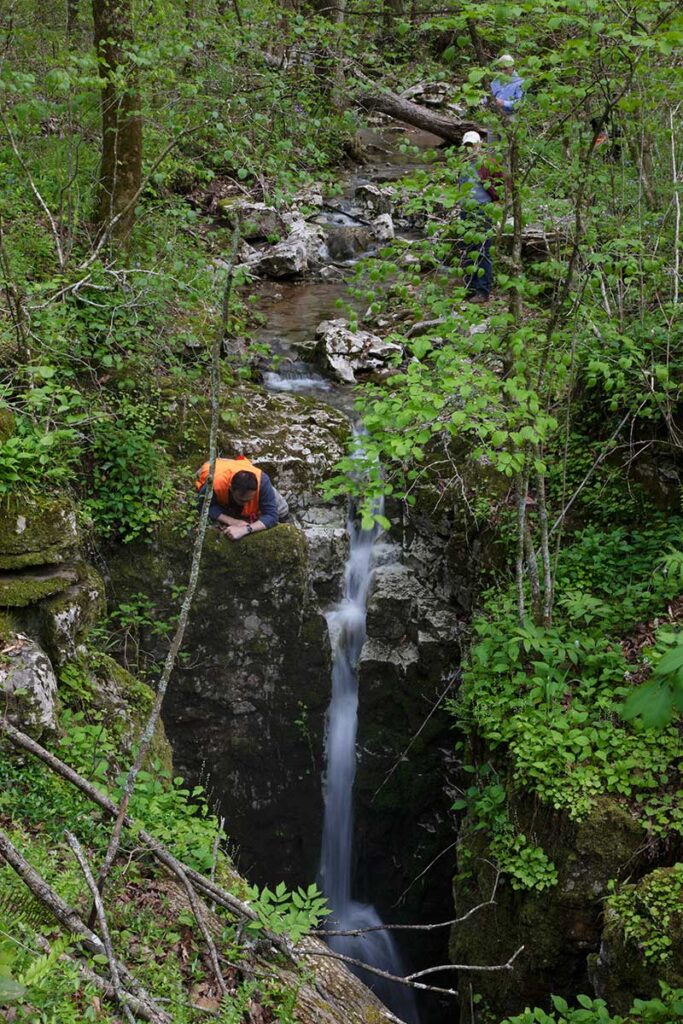
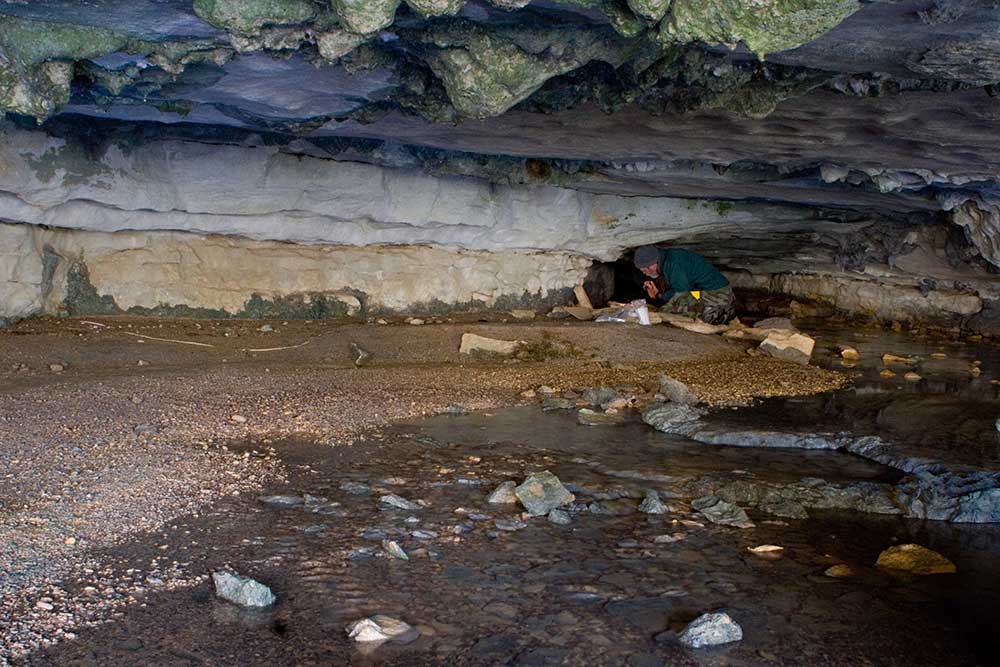
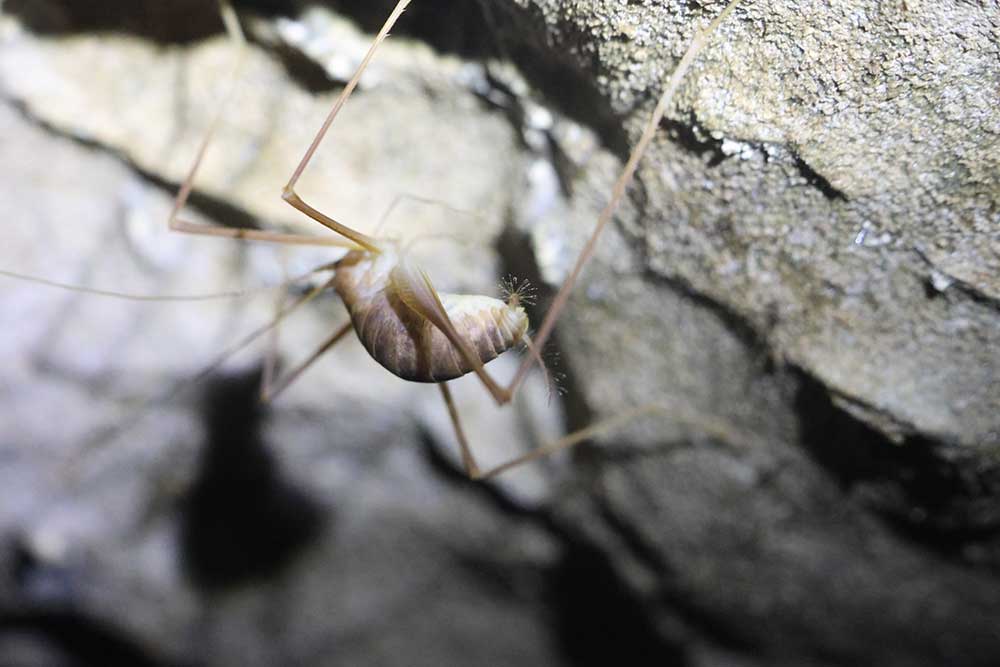
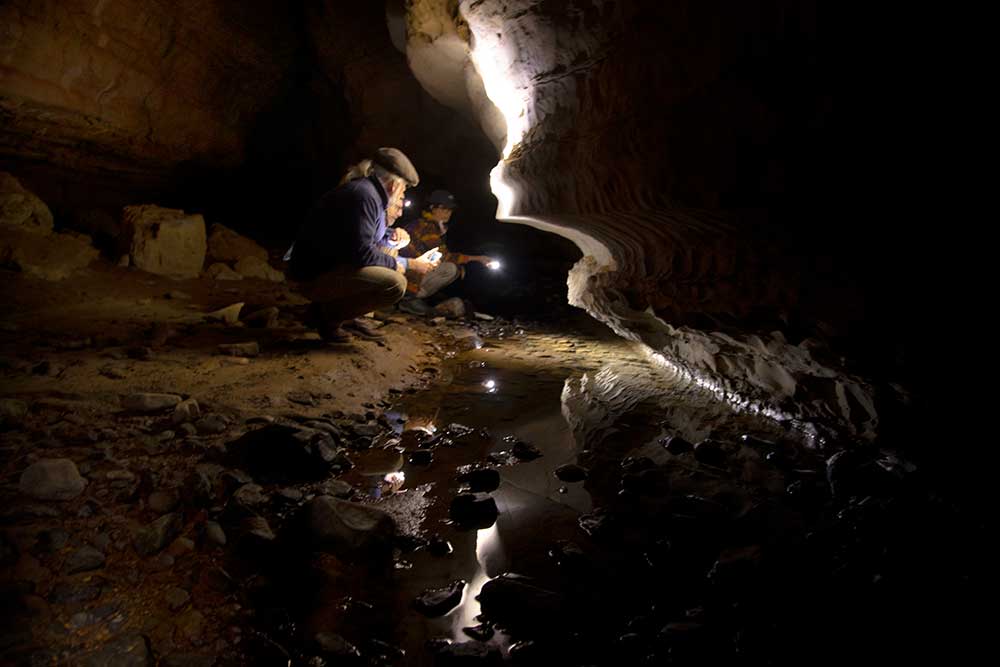
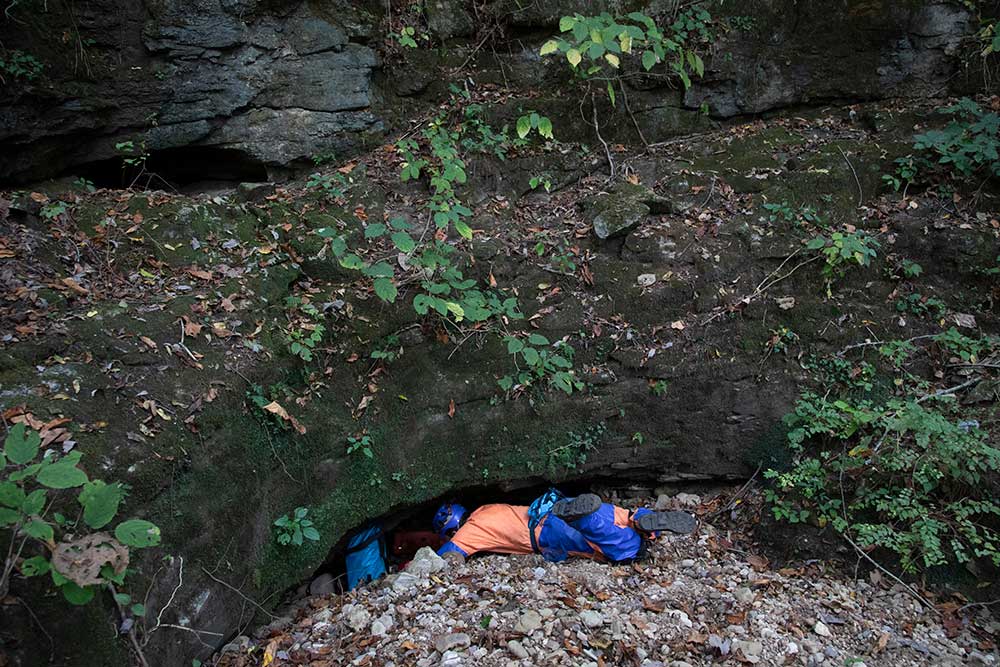
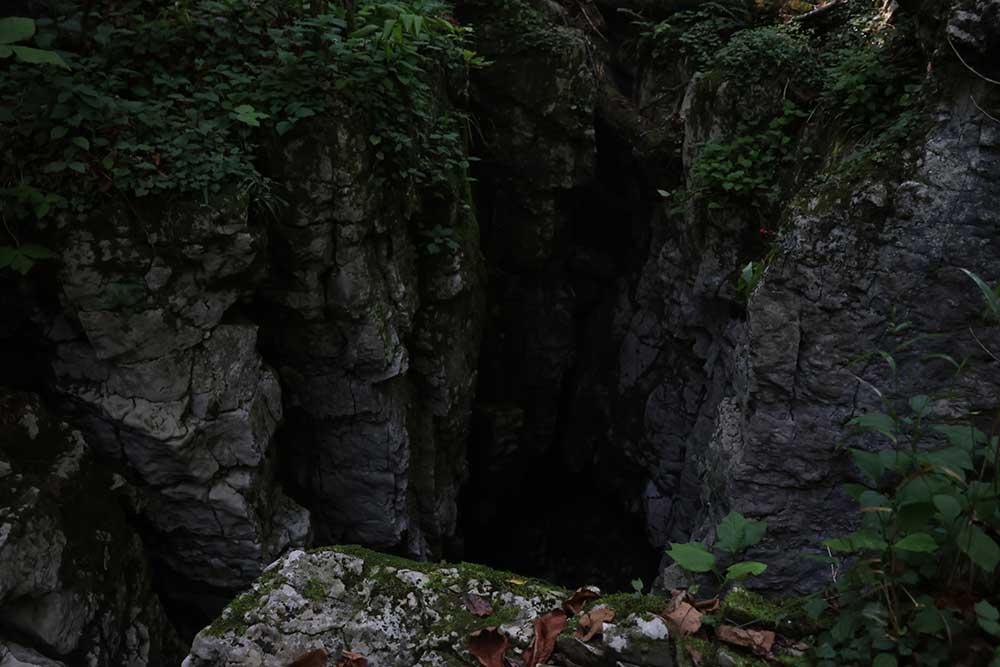
With our extensive cave system, we are working with the world’s top cave researchers, including world-renowned microbiologist and geologist Hazel Barton from the University of Alabama, to map and understand the role caves play in fostering life aboveground as well as below.

Cave microclimate

Researchers from the Matthew Niemiller’s lab at the University of Alabama are conducting a long-term project that tracks how temperature, humidity, and more change over the next couple decades as the weather patterns in the area change. 

Tri-colored bats

Disease ecology researchers from Auburn University are sampling wild bats from caves and culverts to better understand their varying exposures and risks in different roosting environments.

Long-Term Forest Research Census

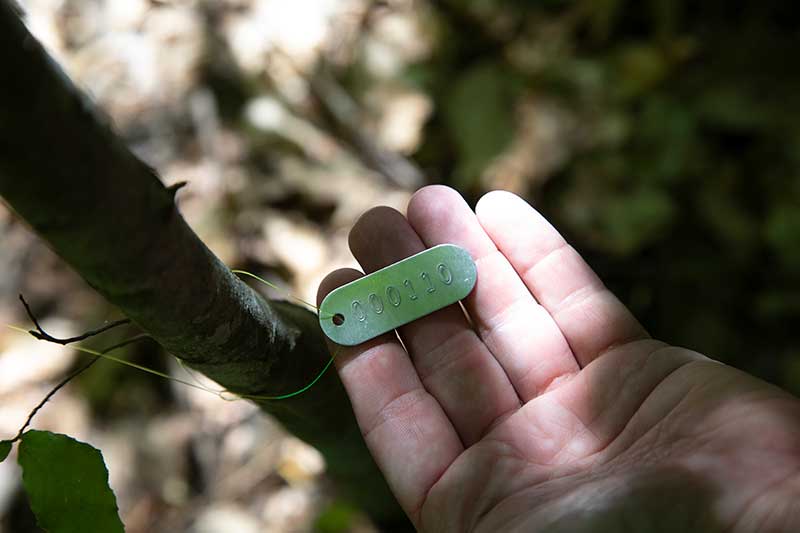
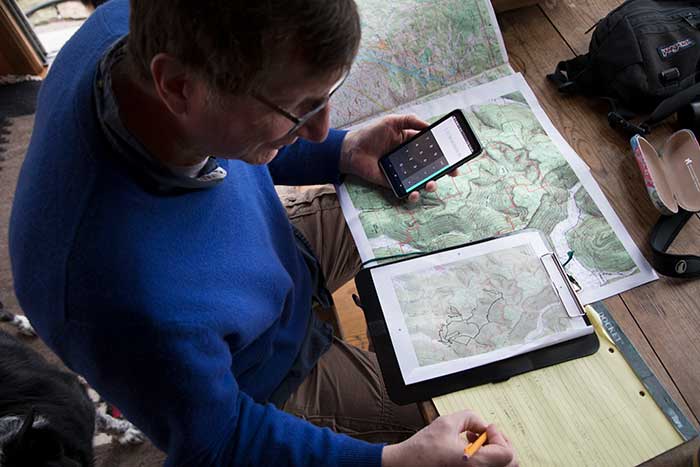
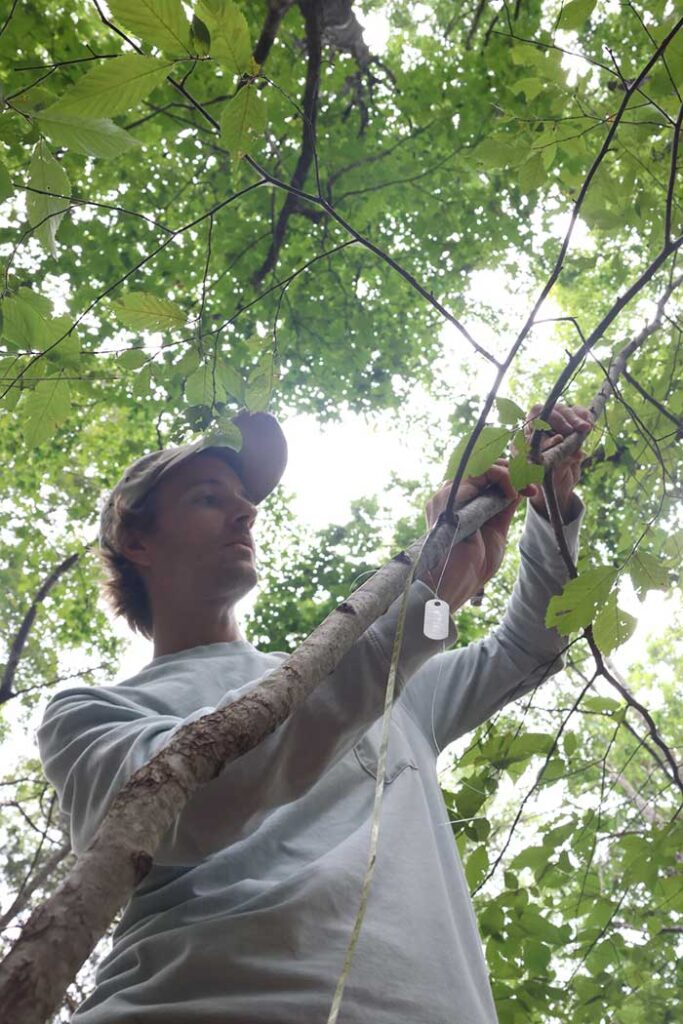
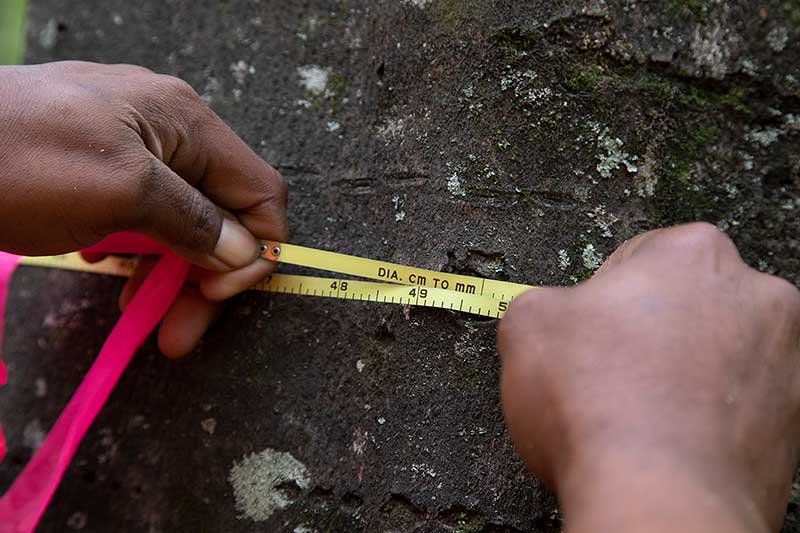
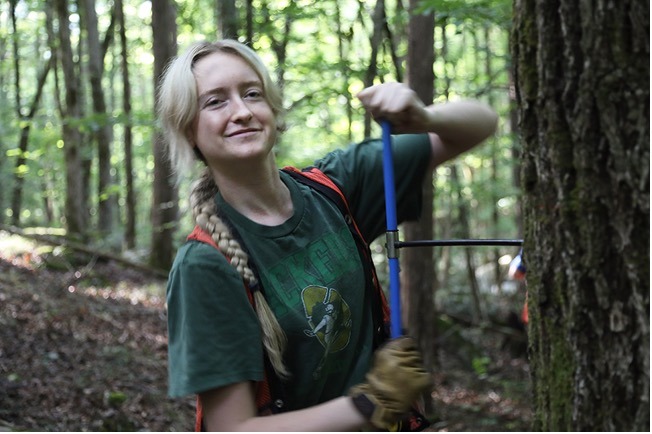
Teams from the Research Center and Alabama A&M have labeled, identified and mapped some 90,000 tree stems in a 150-acre (60 hectare) forest dynamics plot. That’s about 200 football fields worth of trees. Every stem larger than a pencil has a unique ID tag and has been identified, measured, and input into a forest census map. It’s a major effort by more than 50 people, requiring years of climbing up hills and over rocks, while concentrating on the precise measurements needed to draw the forest in precise detail.

There’s already enough new information here to keep the nation’s top taxonomists, geneticists, foresters, and ecologists busy for decades. To sort all this out, we continue to work with researchers not only from Alabama but also from University of North Carolina, University of Georgia, Austin Peay University in Tennessee, Morton Arboretum in Chicago, University of New Hampshire, University of Maine, and many more. UCLA Distinguished Professor Emeritus Stephen Hubbell and Doug Booher are helping direct our science planning while conducting their own research on the plot. Richard Condit helped establish the sampling protocol, and Dr. Luben Dimov from Alabama A&M University worked with the center to establish the first 20 hectares of the plot. 

Over the next 50 years, we will re-census the plot to understand the dynamics of the forest, its growth rates, its ability to capture carbon, and its response to changes in the climate and more.  

Our Scientists

Nathan Paris

Plant Ecology
nathan@paintrock.org 

Landon Rakestraw

Aquatics
landon@paintrock.org 

Mary Medlin

Avian and Wildlife Behavior
mary@paintrock.org

The Sharp-Bingham Mountain Preserve Motus Station

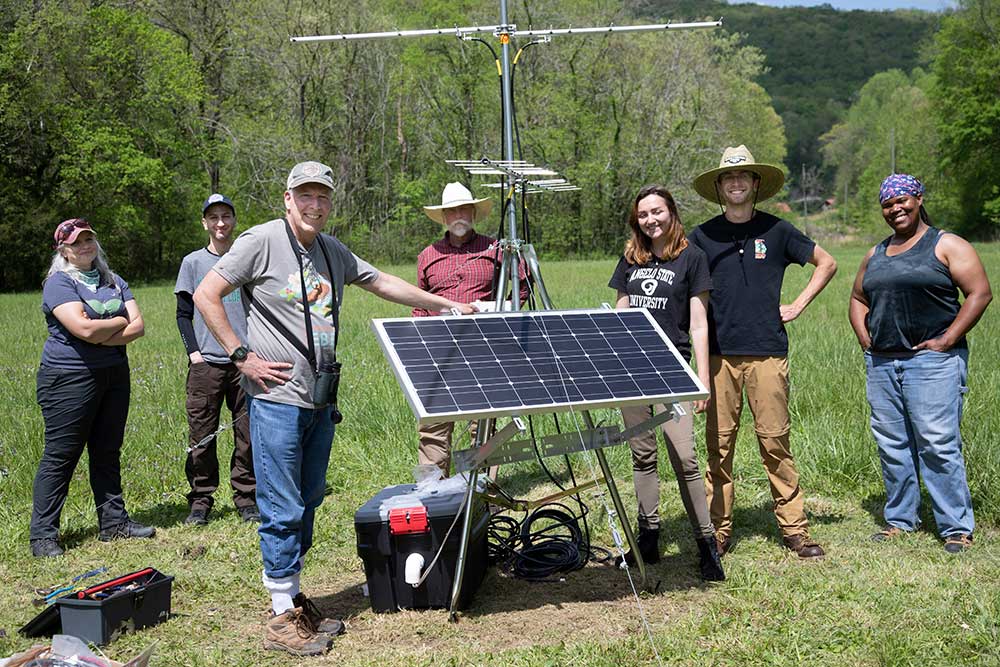
The Motus Wildlife Tracking System is a global research network that uses radio telemetry towers to pick up signals of geolocator tags attached to anything from rodents to insects to birds. We feel lucky to have a station at the Paint Rock Research Center, with support from Alabama Department of Conservation and Natural Resources. With only about 11 stations in the whole state of Alabama, we help fill a detection gap for birds and other small species researchers and conservationists are following. We gain more-complete migration data. We detect species that are often hard to see or hear. And we provide insight to the presence of birds and more in our area of undisturbed but remote habitat. Plus, the Motus database is open-access and easy for anyone to use.

Interested in Conducting Research at Paint Rock?