

By Bill Finch, Founding Director
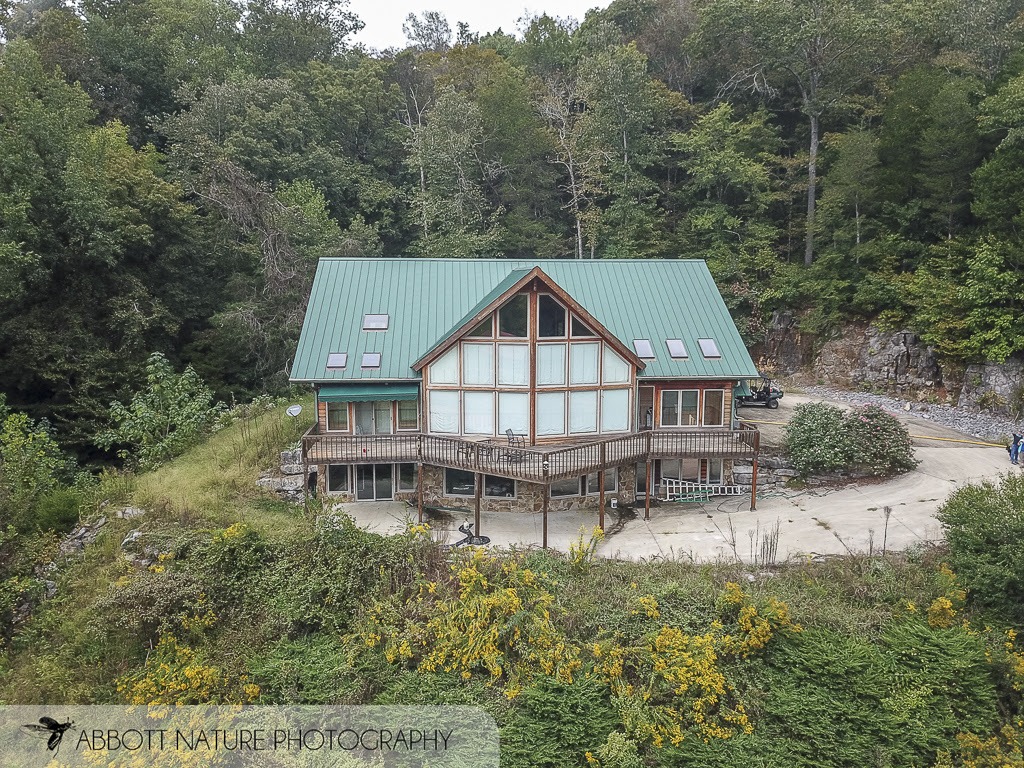
Standing on the prow of the deck at our main house could indeed make you feel like you were flying.
Fortunately, we fixed our Titanic before it sank.
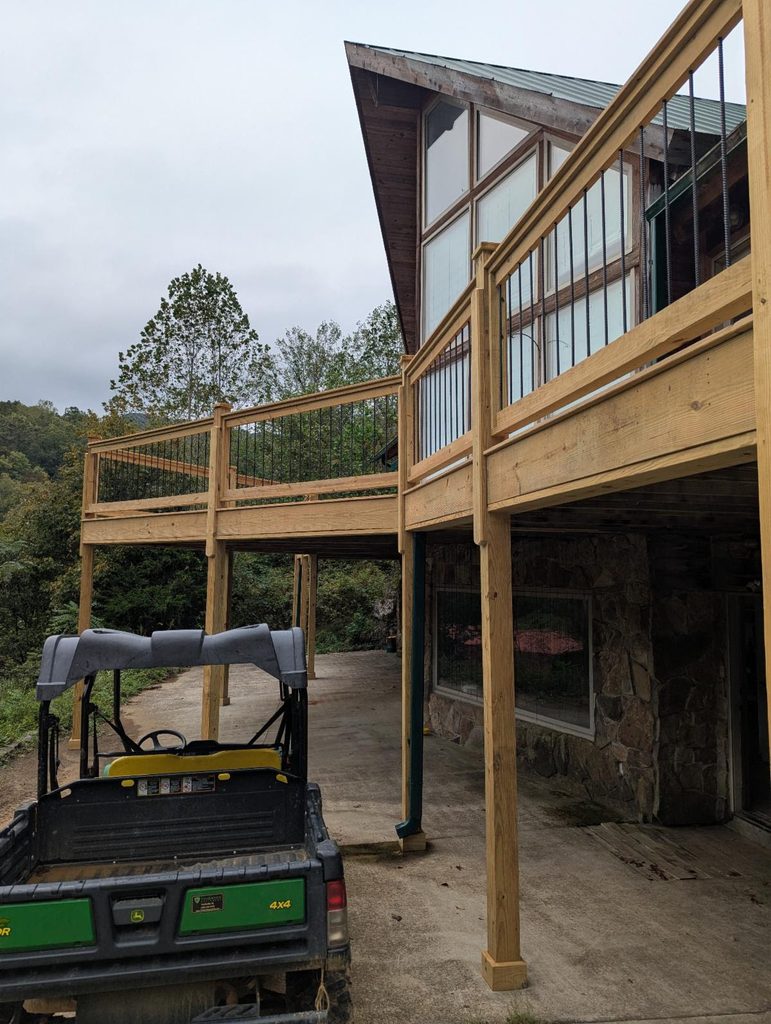
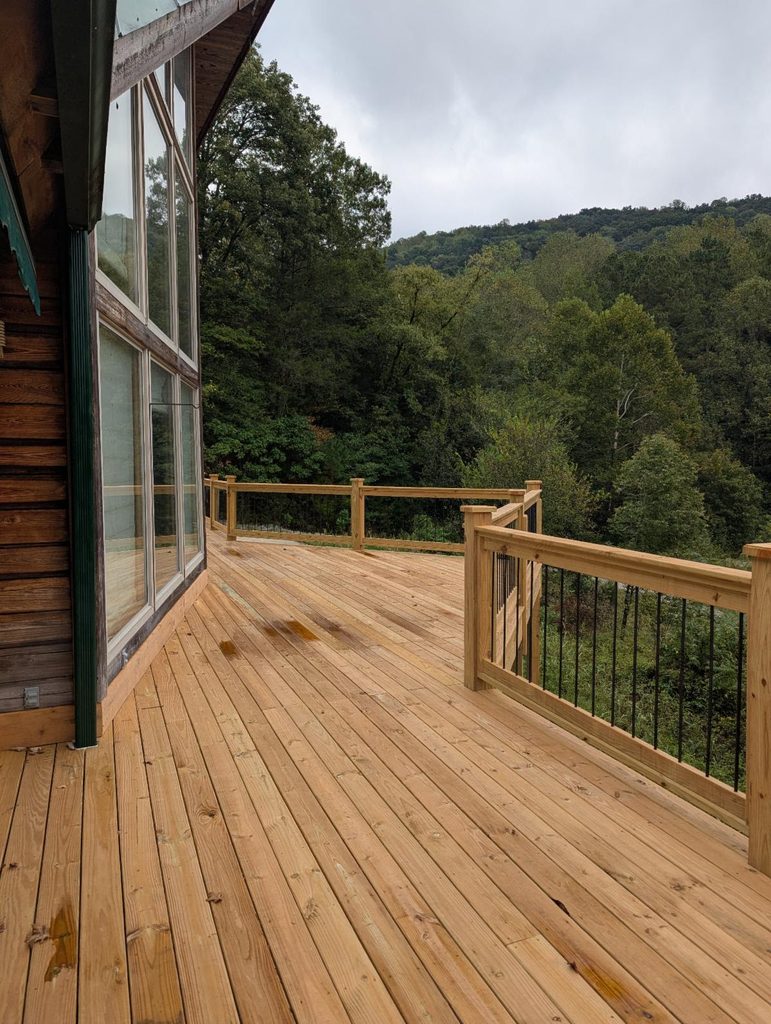
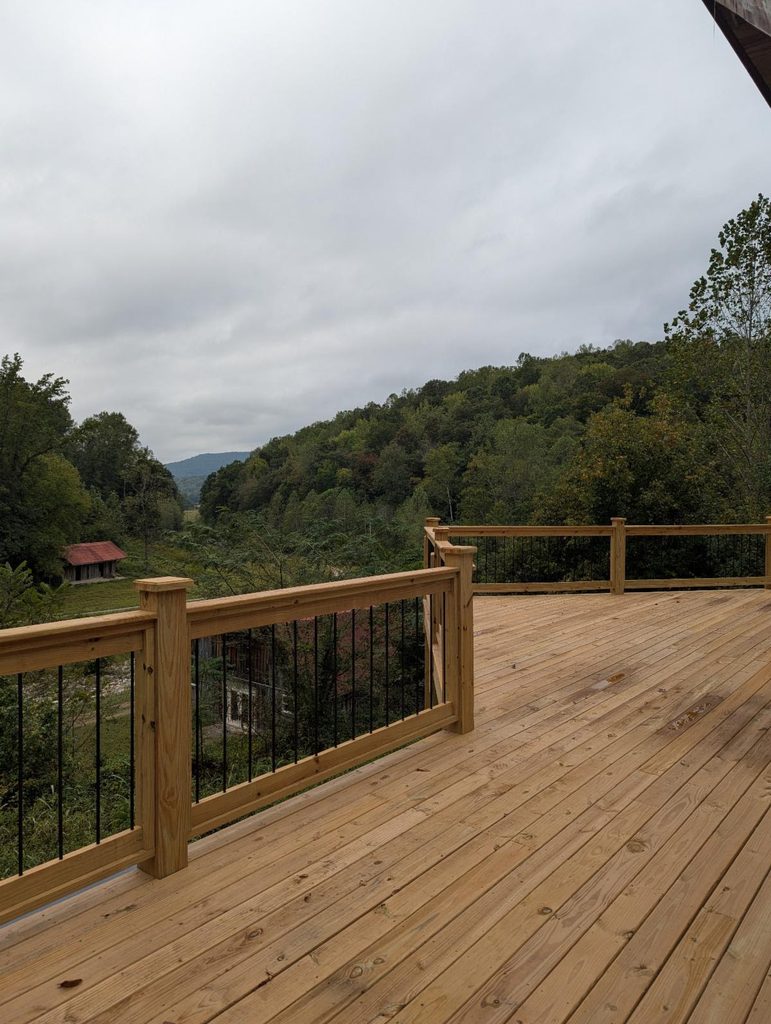
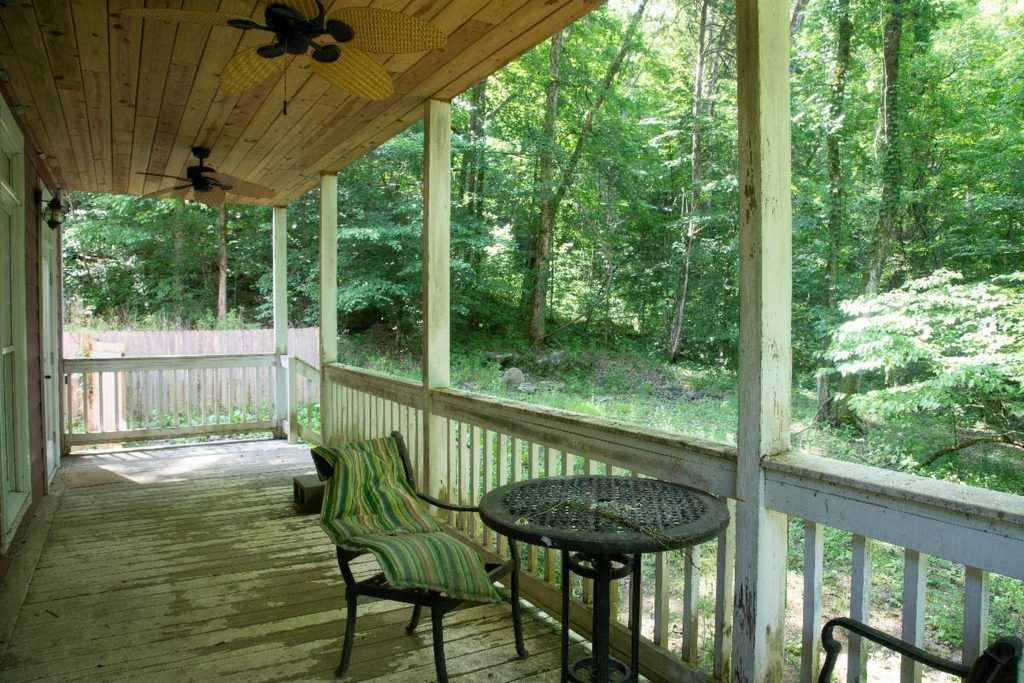
The buildings we purchased for our residential facilities at Paint Rock were built to survive a disaster, and mostly they would. But time and Paint Rock weather takes a toll, and the great expansive deck that looks out over McFarland Cove and our forests had become an attractive nuisance. We just shut it down until we could put together enough money to bring in our favorite Northeast Alabama construction team, led by Delane Underwood. They essentially rebuilt the deck from the bottom up, adding to its structural soundness as they went. It wasn’t cheap, but it’s beautiful, safe, and secure, and we’re all flying over the forest again.
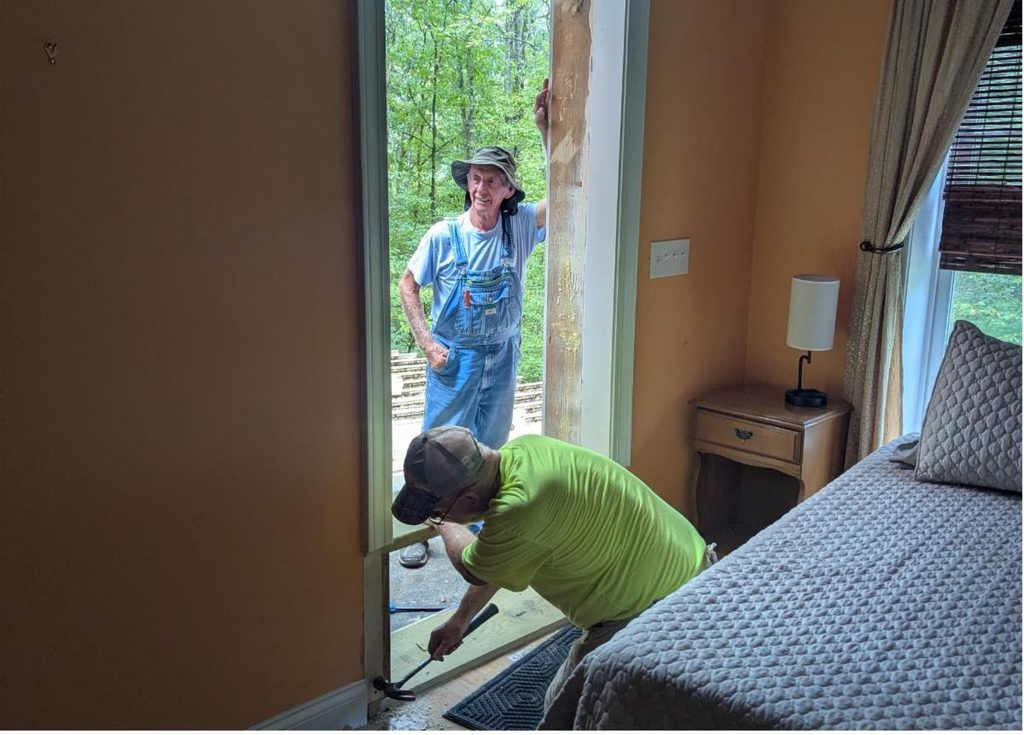
We’ve got work to do on all our structures at Paint Rock. The previous hunting club decided to dig up and leave with our critical check-in shed (yes, the whole shed), but we’re going to rebuild a new and better one. Delane and crew are now tackling the worst of the issues at our other residential facility, the Red House (those rotting steps up to the house are now solid as a rock, and water no longer pours through the middle of the porch roof).
That’s the boring deferred-maintenance stuff that every facility like ours has to deal with, and there’s no way around it. Our buildings get a lot of use all year. We had a dozen researchers staying at the Red House in August. We’ve had film crews from England, artists from around the state, and every month a lot of scientists trying to continue their normal work in an era that doesn’t even allow travel funding. We can’t wait to announce the details of a new workshop program for secondary teachers across the region, taught by our top researchers. It costs us, but we do our best to accommodate all.
But here’s something to contemplate before you fly away: Wouldn’t it be nice if we could bring these residential facilities up to a higher standard, if we made them into something that fully reflected our mission—buildings that not only facilitate meeting, sleeping, and eating but that actually tell important stories about why we are here and why that matters to the rest of North America? Facilities with the space and tools and resiliency that support the level of research and conservation we’re doing?
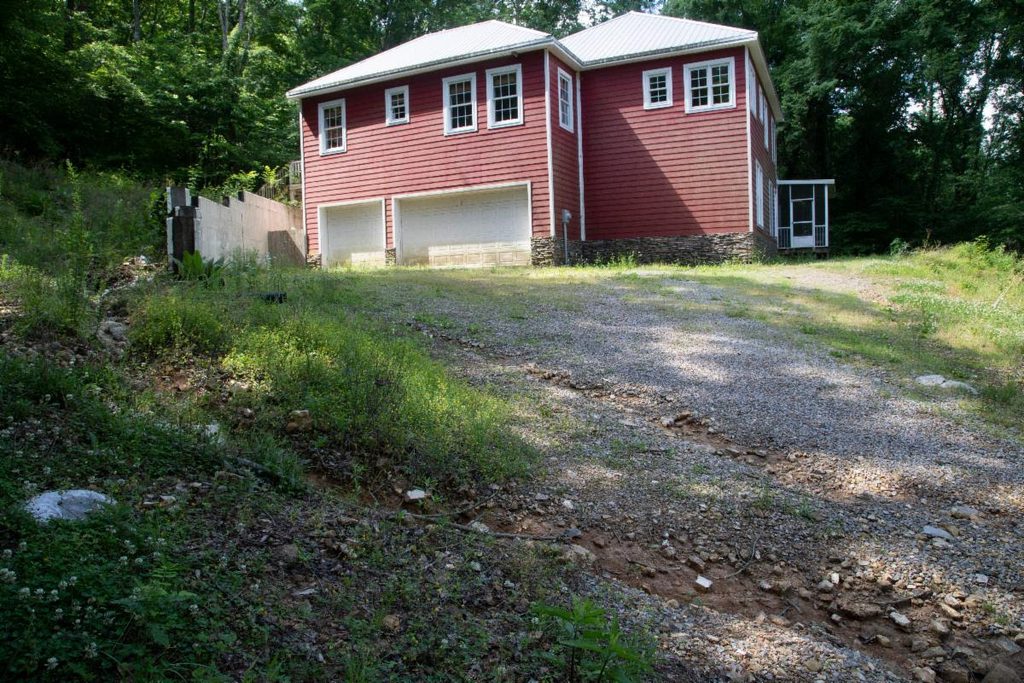
At the Main House, we’ve imagined the massive wood-paneled garage could be transformed into a large conference room, and we know our large working basement area could be better designed to serve the needs of our staff and visiting researchers.
At the Red House, we’ve begun to reimagine a center for nature-based art and video education and production, all driven by interaction with science and the surrounding landscape. That useless double garage could become a studio; the porches could be expanded to become a large outdoor teaching and observation area where all could engage directly with the surrounding forest.
For us to make real on these visions—to better connect people from all over with the importance of our Alabama natural heritage and the value and meaning it holds—we need your help.